








Bunions
Relieving Pain and Protecting Your Foot Health
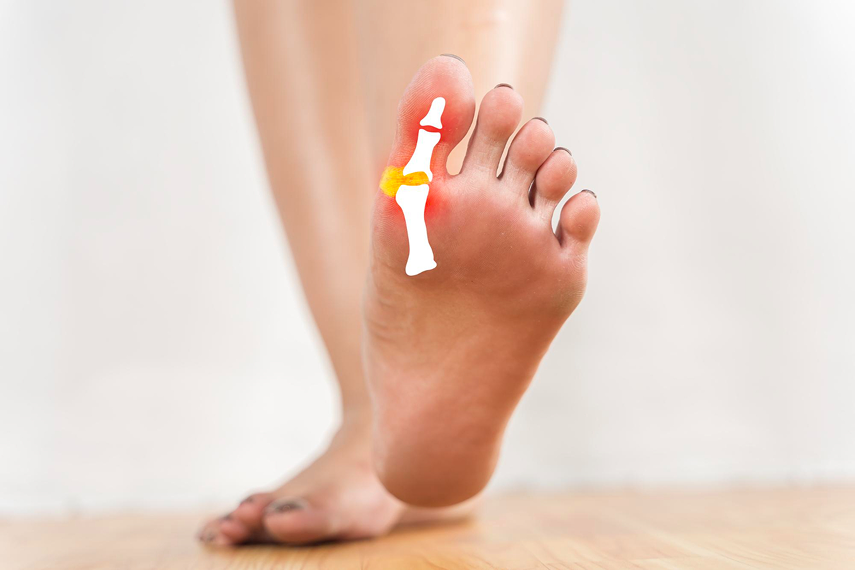
A bunion is a gradual deformity that develops when the joint at the base of the big toe shifts out of its normal alignment. As the condition progresses, a bony prominence forms on the side of the foot, often leading to pain, swelling, and difficulty wearing certain types of footwear. Over time, even routine activities such as walking or standing may become increasingly uncomfortable.
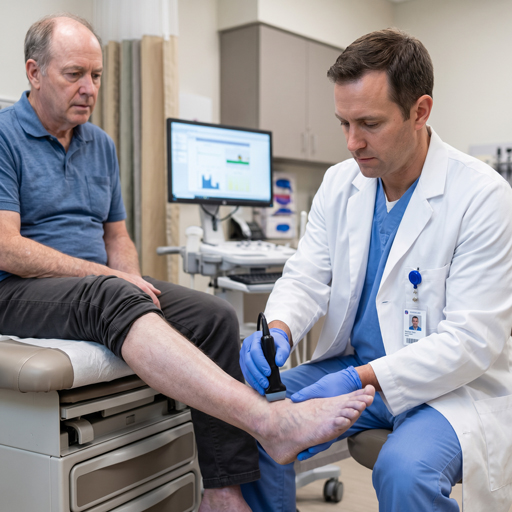
At Andrea Hyperbaric Wound Care and Health Center, our team evaluates patients with bunions and recommends appropriate treatment options based on the severity of the condition.

What Causes Bunions?
Bunions typically develop gradually as a result of multiple contributing factors rather than a single cause. Changes in the alignment of the big toe joint often occur over many years, with certain lifestyle habits, medical conditions, and foot mechanics increasing the likelihood of the condition progressing over time.
Contributing factors include:
- Arthritis affecting the foot joints
- Tight, narrow shoes or high heels worn consistently over time
- Age-related structural changes in the foot
- Persistent pressure on the big toe joint
- Foot mechanics that put excess load on the front of the foot
- Ongoing friction between the bunion and footwear
- Callus buildup from the bunion rubbing against shoes repeatedly
Managing Bunion Pain at Home
Once a bunion develops, the underlying deformity does not reverse on its own, although conservative treatment can help relieve symptoms and slow progression.
Self-care measures that may help include:
- Keep body weight in a reasonable range to reduce pressure on the feet
- Ice the area when pain and swelling flare up
- Apply gentle heat if stiffness is the bigger issue
- Wear wider, supportive shoes that provide adequate room for the bunion
- Avoid high heels and narrow shoes that place additional pressure on the joint
- Look at custom orthotics or supportive inserts to improve alignment
- Cut back on activities that put repeated heavy stress on the joint
When Should You See a Podiatrist
Bunions are progressive and often worsen over time. Seeking evaluation early allows a podiatrist to recommend treatment options that can relieve discomfort and help prevent further joint changes.
Come in if you are noticing:
- A visible bony bump at the base of the big toe
- Pain when walking or after standing for extended periods
- Swelling, redness, or tenderness around the joint
- Shoes that have become impossible to wear comfortably
- Calluses or corns developing where the bunion rubs against footwear
- The big toe is losing its normal range of motion
- Pain that has not responded to new shoes or home remedies
Get Professional Treatment for Bunions
Persistent bunion pain that affects your ability to walk, stand, or carry out everyday activities should be evaluated by a podiatrist. At Andrea Hyperbaric Wound Care and Health Center, we evaluate the severity of the bunion and discuss the most appropriate treatment options based on your symptoms and goals.