





Arthritic Foot & Ankle Care
When Joint Pain in Your Feet Becomes Hard to Ignore
Foot and ankle pain that keeps coming back, or never really goes away, is worth paying attention to. For a lot of people, that kind of persistent discomfort comes down to arthritis, a condition that develops when one or more joints become inflamed over time.
The feet are particularly vulnerable. There are dozens of small joints in the foot and ankle, and any one of them can be affected. Once inflammation sets in, pain and stiffness tend to follow, and daily activities that most people take for granted start to feel like a real effort.
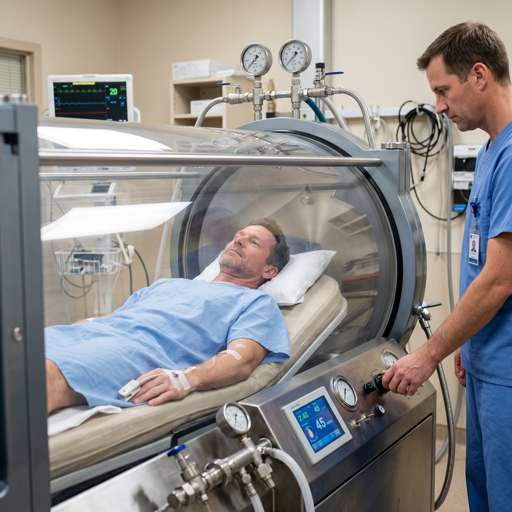
At Andrea Hyperbaric Wound Care and Health Center, we evaluate and treat arthritic foot and ankle conditions with care plans built around the patient. Our goal is to reduce pain, improve movement, and help you stay active.

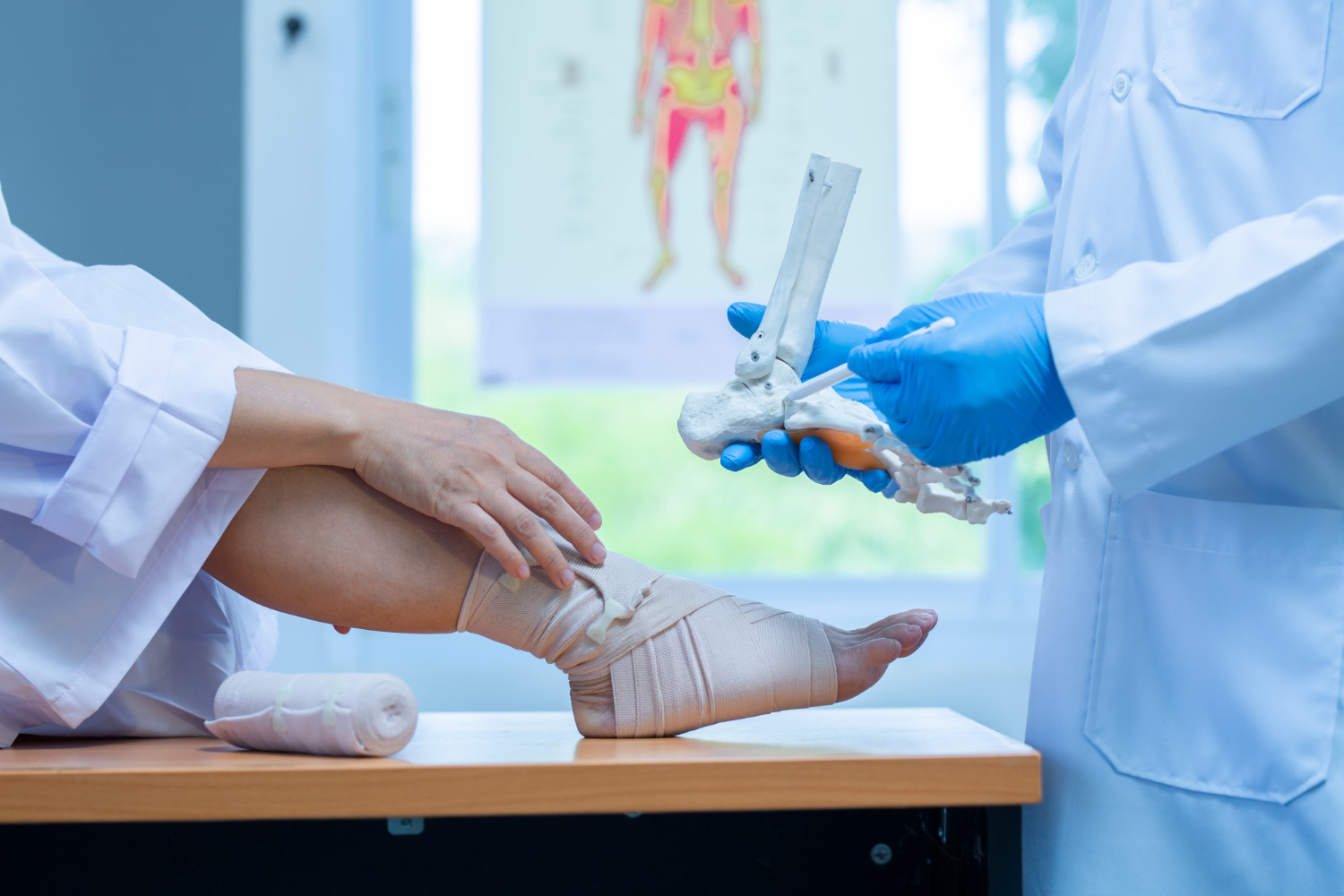
What Causes Arthritis in the Foot and Ankle
Arthritis does not always develop without warning. In many cases, it is linked to underlying factors or previous joint damage.
Old injuries are a common culprit. A fracture, a ligament tear, or repeated stress on a joint over the years can gradually break down cartilage and lead to arthritis later in life. That is why people who were active athletes in their younger years sometimes find themselves dealing with joint pain decades later.
Age plays a role, too, as does body weight. Carrying excess weight puts additional pressure on the joints in the feet with every single step, and that accumulated stress adds up. Genetics can also predispose certain people to developing arthritis earlier or more severely than others.
Women who have spent years in tight, high-heeled footwear are another group that shows up frequently with foot complications, including arthritis. The structural strain that certain shoe styles create is real, and the effects can be lasting.
Common reasons for arthritis to develop in the foot and ankle:
- Previous foot or ankle injuries, including fractures and sprains
- General wear on joints over many years
- Obesity places consistent excess pressure on the feet
- Genetic predisposition to joint inflammation
- Prolonged use of poorly fitting or unsupportive footwear
Signs To Check For Arthritic Changes in the Foot
Arthritis in the foot and ankle tends to show signs gradually. Most people notice the discomfort building over time rather than appearing suddenly.
Pain during or after walking is one of the first things patients mention. Stiffness in the joints, especially in the morning or after sitting for a while, is another.
Swelling around the ankle or the smaller joints in the foot is common, and some people notice clicking or popping sounds when they move the affected area. Difficulty walking on uneven surfaces or for longer distances can also develop as the condition progresses.
None of these symptoms should be dismissed as something you simply have to live with. Early evaluation leads to better outcomes.
Practical Steps That Help Manage Arthritic Foot Pain
Footwear is often the first conversation we have. Shoes with proper arch support, cushioned soles, heel cups, and good shock absorption take pressure off inflamed joints and make daily movement more comfortable. The difference a well-fitted, supportive shoe makes is something patients notice quickly.
Maintaining a healthy weight is another important factor in reducing stress on the joints. Reducing body weight, even modestly, lowers the mechanical load on the feet and ankles with every step.
For patients carrying excess weight, that reduction can translate to a noticeable decrease in joint pain. Heat and ice treatments offer reliable short-term relief. Heat loosens stiff joints before activity. Ice helps bring down inflammation and swelling after.
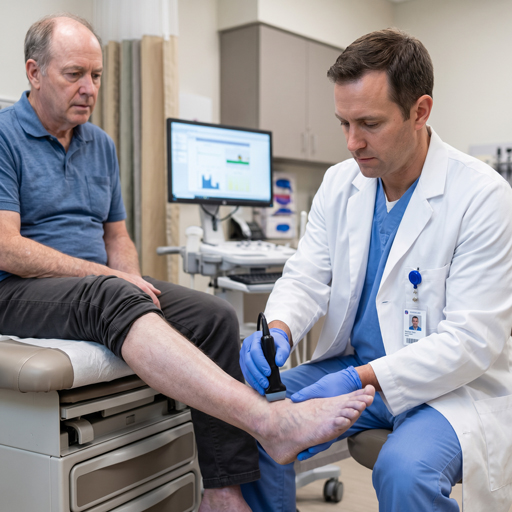
Beyond these basics, a proper diagnosis from a specialist is essential. The type of arthritis, the specific joints involved, and the degree of damage all shape what treatment actually makes sense for each patient.
Book Your Appointment Today
Foot and ankle arthritis tends to progress when it is not addressed. The pain does not usually resolve on its own, and managing it at home only goes so far. A thorough evaluation gives you a clear picture of what is happening in the joint and what can actually be done about it.
At Andrea Hyperbaric Wound Care and Health Center, we take the time to understand your situation before recommending a treatment. Call us today to schedule your appointment.