

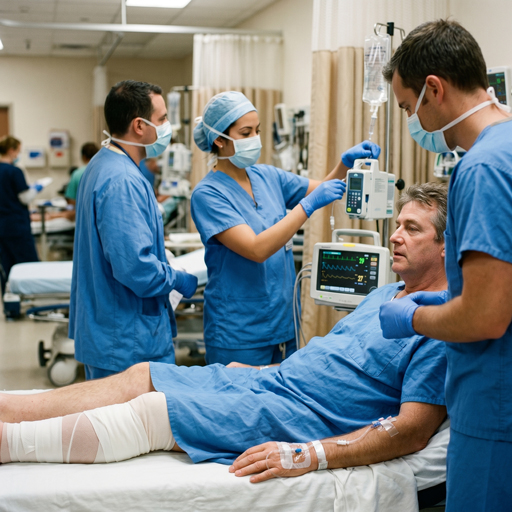


HBOT for Decompression Sickness
When Pressure Changes Affect the Body
Most people think of Decompression Sickness (DCS) as something that only affects scuba divers. While that’s true in many cases, divers are not the only ones who can experience it. People working in tunnels, caissons, or other pressurized environments can also be at risk when pressure changes too quickly.
During exposure to increased pressure, additional nitrogen dissolves into the body’s tissues and bloodstream. When pressure drops too quickly, nitrogen can form bubbles within the bloodstream and tissues. These bubbles can affect blood circulation and damage joints, muscles, nerves, and other tissues.
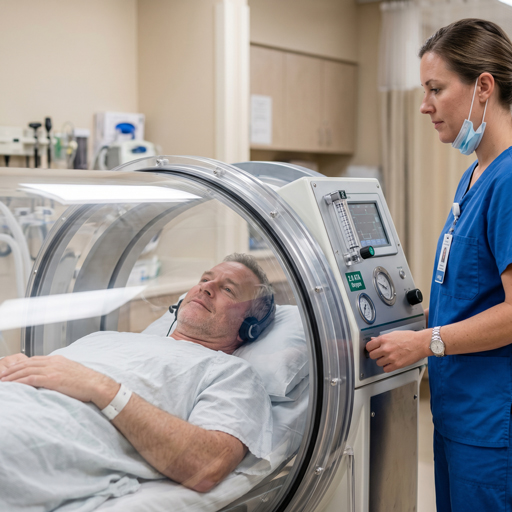
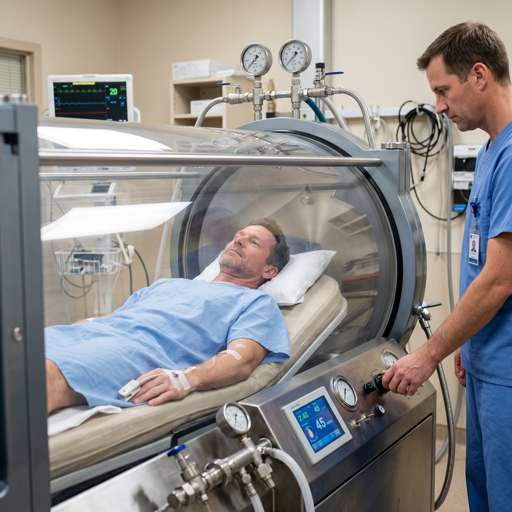
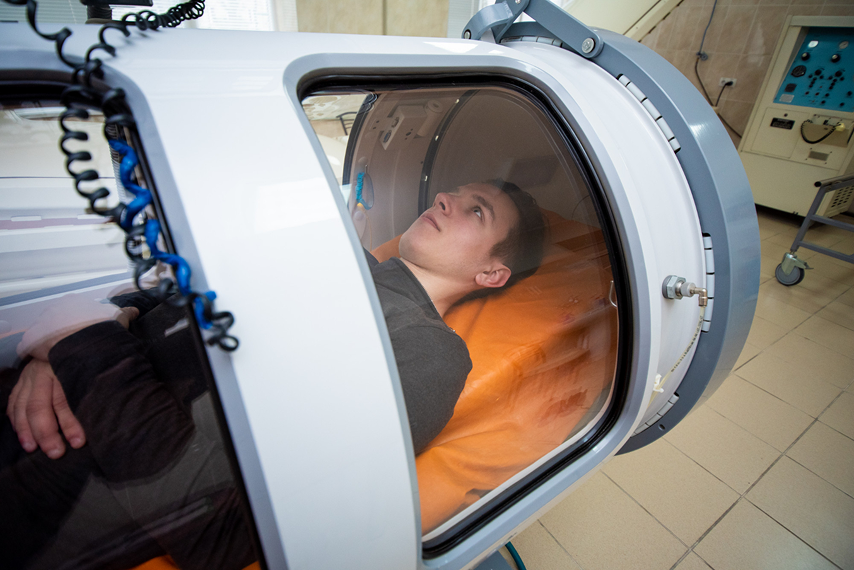
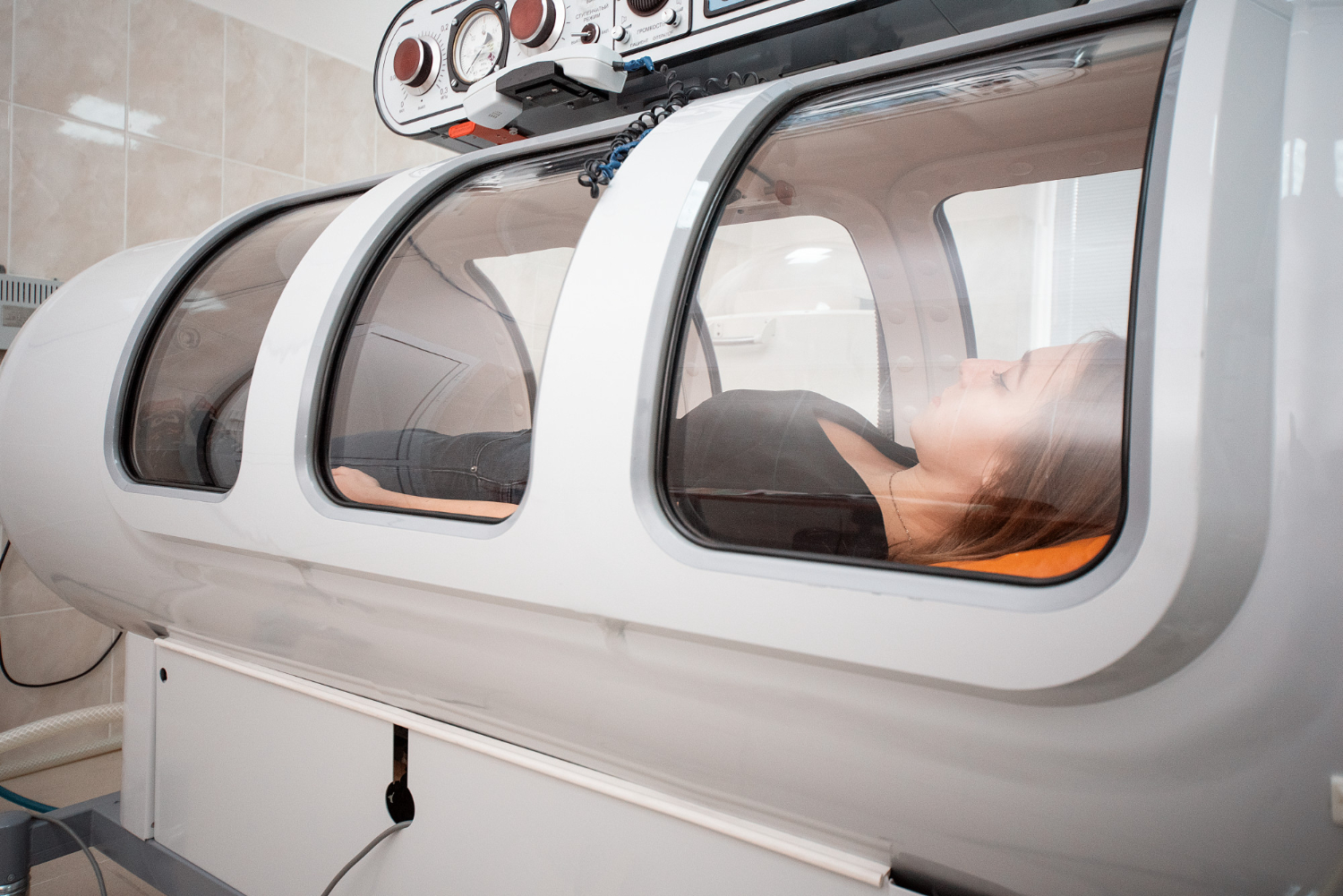
At Andrea Hyperbaric Wound Care and Health Center in Ozone Park, NY, Hyperbaric Oxygen Therapy (HBOT) is used as part of the medical care for Decompression Sickness. The treatment recreates a controlled pressurized environment that helps shrink nitrogen bubbles while delivering more oxygen to areas that need it most.
Understanding Decompression Sickness
Decompression Sickness happens when nitrogen dissolved in the body forms bubbles after a rapid decrease in pressure. Symptoms don’t always appear immediately. Sometimes they show up later and gradually become more noticeable.
Some of the most common symptoms to look for:
- Joint or muscle pain
- Unusual tiredness or weakness
- Tingling or numbness in the arms or legs
- Dizziness or poor balance
- Changes in hearing or vision
Even if symptoms seem mild at first, seek immediate medical evaluation.
How Hyperbaric Oxygen Therapy (HBOT) Is Used
Hyperbaric Oxygen Therapy has been used for many years to treat Decompression Sickness. During a session, the patient breathes 100% oxygen inside a specially designed chamber.
HBOT may:
- Shrink nitrogen bubbles
- Improve oxygen delivery to affected tissues
- Support the recovery of injured nerves and other tissues
The number of HBOT sessions varies depending on the severity of the condition and the patient’s response to treatment. Some people recover after only a few treatments, while others may require additional care.
Who May Be Considered for HBOT?
HBOT may be recommended for individuals who are either diagnosed with or strongly suspected of having Decompression Sickness.
For example, it may be considered if someone experiences the following symptoms:
- Joint or muscle pain after a dive
- Numbness, weakness, or other neurological changes
- Ongoing dizziness or trouble with balance
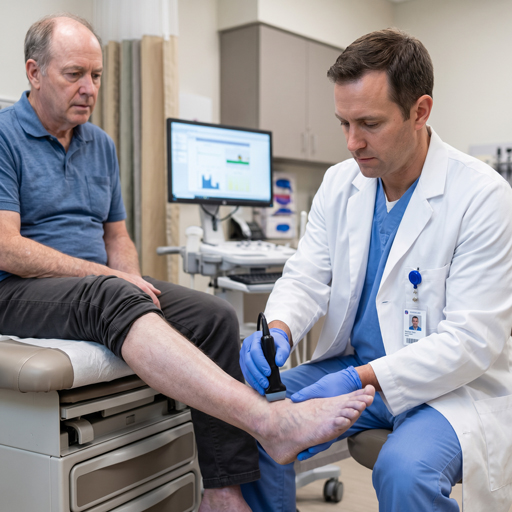
Everyone’s case is different. Before recommending HBOT, the medical team reviews the individual’s symptoms and overall condition to determine the most appropriate course of care.
Early Treatment Makes a Difference
Never overlook Decompression Sickness, especially if the symptoms seem mild at first. It allows you to begin treatment before more problems occur.
If you’ve experienced symptoms after scuba diving or working in a pressurized environment, don’t ignore them. If you get symptoms after scuba diving or after being in a compressed environment, seek medical assistance immediately. If you are a candidate for HBOT, your healthcare team can decide on the best course of treatment.