






Toenail Fungus
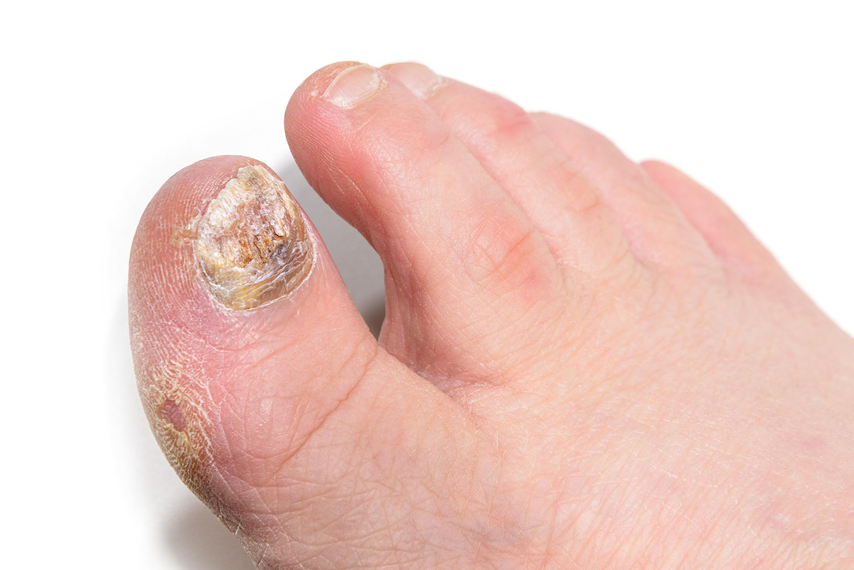
Toenail fungus usually starts through a tiny crack in the nail or a small cut in the skin nearby. Once it's in, the changes don't take long to show up. Nails start to discolor, thicken, and get harder to trim or care for properly. Some people notice the nail turning brittle, even crumbling a little at the edges.
Left alone, the fungus keeps building underneath the nail. Over time, it can separate the nail from the nail bed entirely, and in severe cases. the nail may eventually separate from the nail bed and, in severe cases, fall off.
Where Fungal Infections Usually Come From
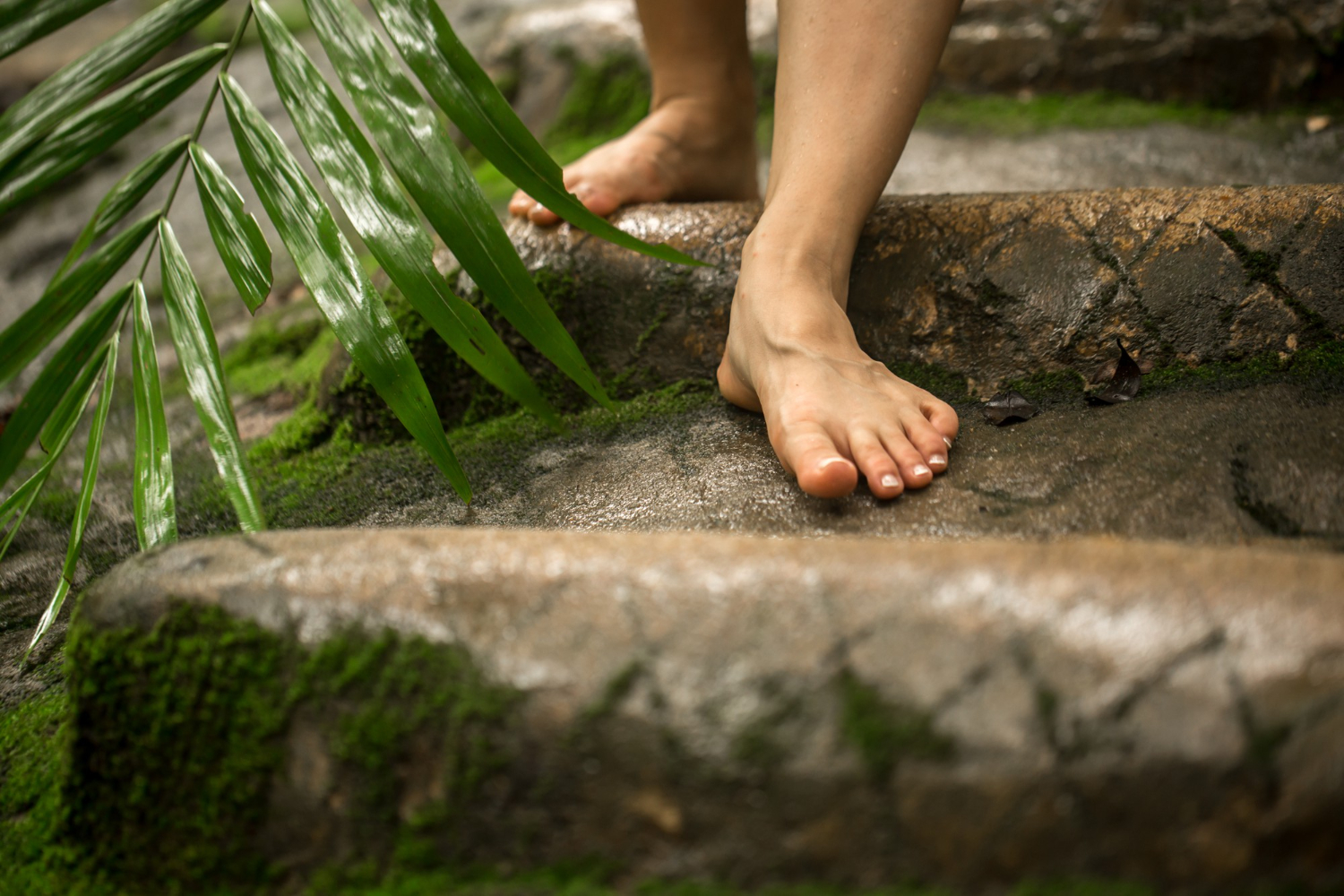
Most fungal nail infections trace back to walking barefoot in warm, damp public spaces. Communal showers, gym locker rooms, and swimming pools are the usual suspects, places where the fungus thrives and spreads easily from one bare foot to the next.
A few things make you more likely to end up with a fungal nail:
- Sweaty feet on a regular basis
- A weaker immune system
- A history of athlete's foot
- Frequent time spent barefoot in shared public spaces
Why Getting It Checked Matters
Toenail fungus doesn't tend to go away on its own, and waiting usually means it spreads, sometimes to other toes and to the skin around the nail. Getting a proper diagnosis early makes treatment simpler and helps keep the infection from getting worse.
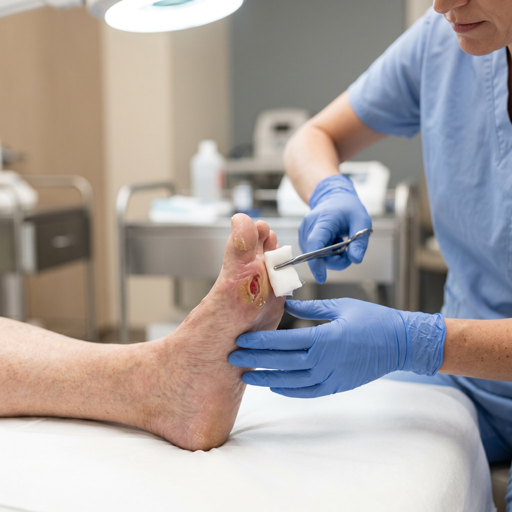
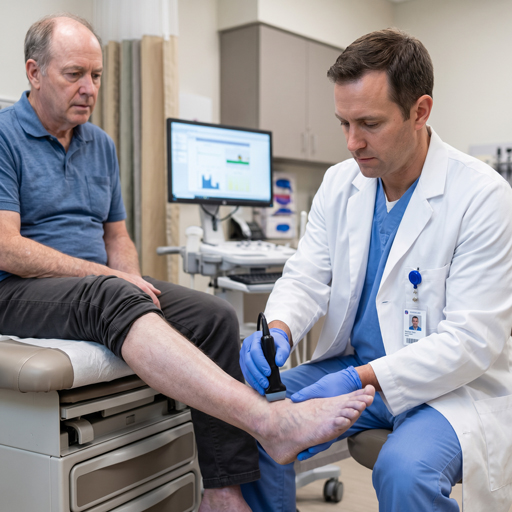
If you're noticing discoloration, thickening, or a nail that's becoming brittle, it's worth having a podiatrist take a look. A professional evaluation is really the only reliable way to confirm it's actually fungus, rather than something else going on with the nail, and to get a treatment plan that fits your specific case.
Simple Habits That Lower Your Risk
A few daily habits go a long way toward keeping fungal infections away.
- Changing socks once they're damp from sweat helps keep the environment inside your shoes less inviting for fungus to grow.
- Rotating between a couple pairs of shoes gives each pair time to fully dry out between wears.
- Trimming nails straight across, rather than rounding the edges, cuts down on small cuts where fungi can enter.
- Keeping toenails clean and dry, especially after showering, rounds out the basics.
Talk to a Podiatrist About Toenail Fungus
At Andrea Hyperbaric Wound Care and Health Center, we evaluate fungal toenails and recommend treatment based on how far the infection has progressed. Call us today to schedule an appointment and get ahead of the problem before it spreads further.