






Athlete's Foot
Treating the Infection Early to Protect Your Foot Health
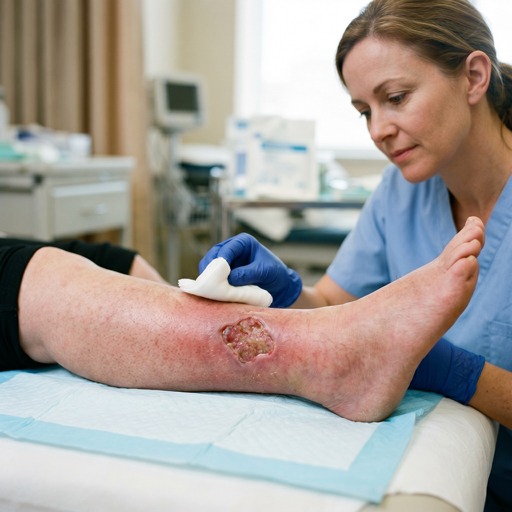
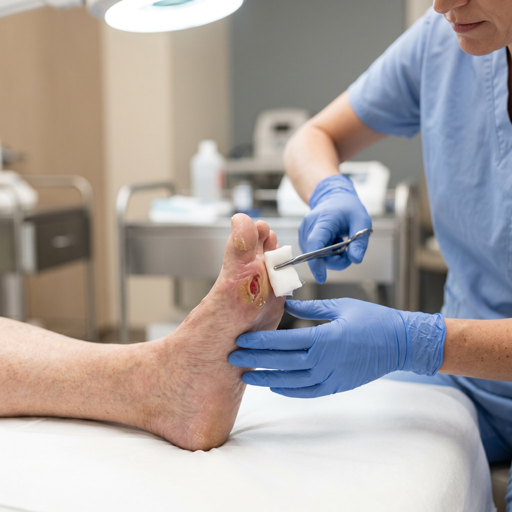
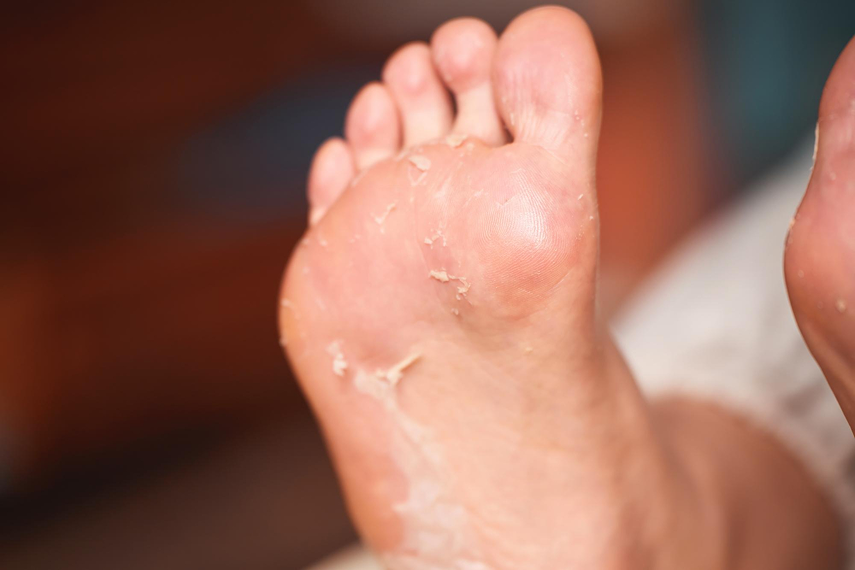
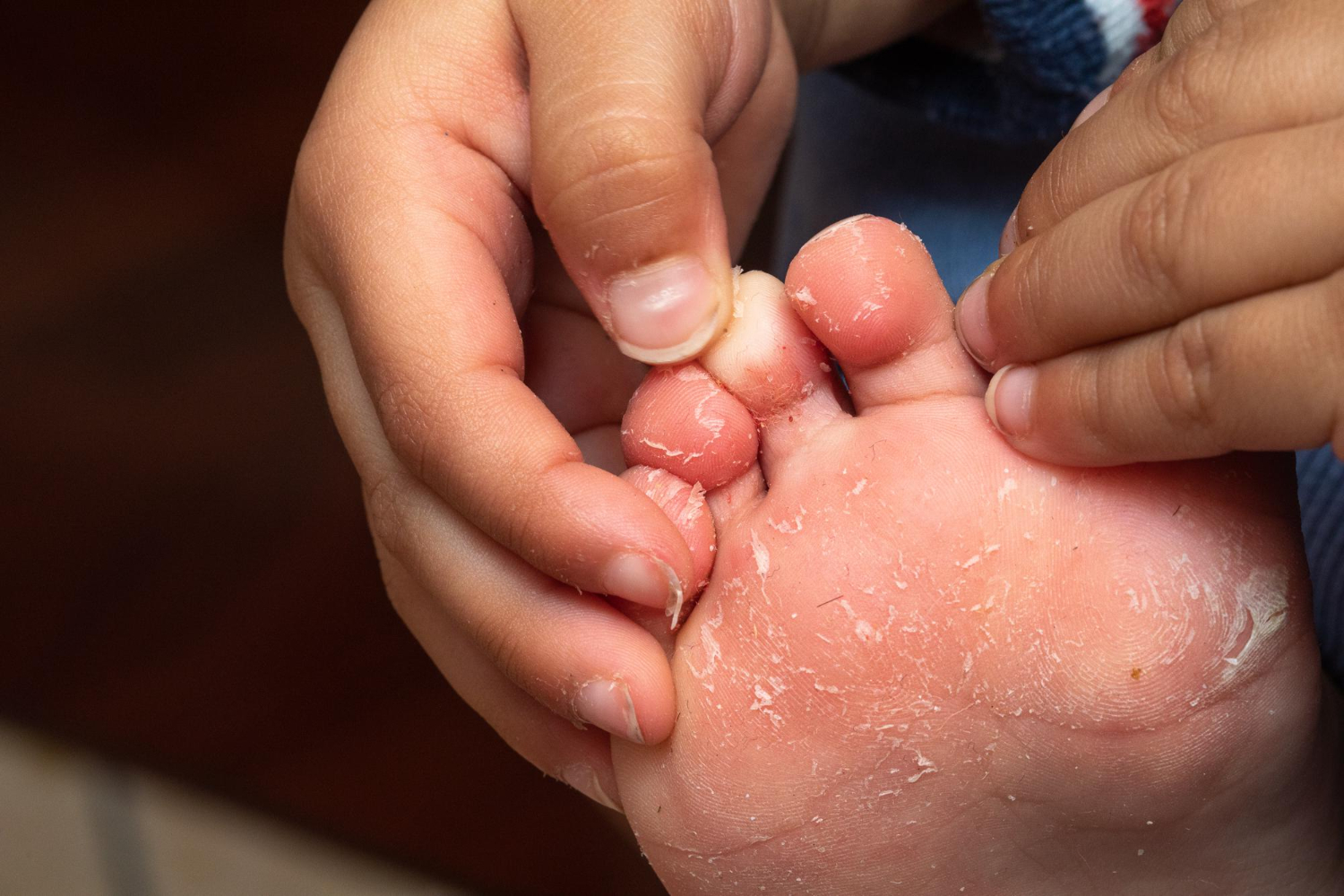
Athlete's foot is a fungal infection that shows up most often between the toes, bringing itching, redness, and peeling skin along with it. The fungus spreads quickly in warm, damp conditions, which is exactly why shoes and locker room floors are such common sources. Left unaddressed, it moves to other parts of the foot and eventually reaches the toenails.
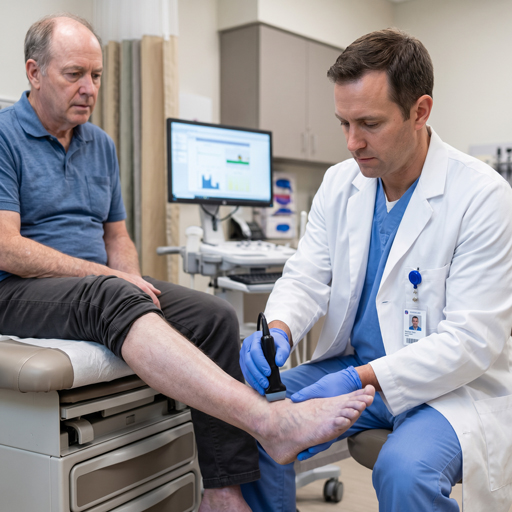
At Andrea Hyperbaric Wound Care and Health Center, we take a proper look at what is going on, confirm the diagnosis, and put together a treatment approach aimed at clearing the infection and keeping it from coming back. Call us at (718) 482-0010 to schedule your consultation.
How Does Athlete's Foot Develop?
Athlete’s foot occurs due to the interaction between fungi and the skin and their proliferation in warm, humid environments. The disease is transmitted from one person to another either through direct skin contact or by stepping on infected areas while walking barefoot. Wearing wet shoes and clothes that trap moisture may lead to infection.
Situations that commonly lead to infection:
- Walking barefoot in locker rooms, pools, or communal showers
- Direct skin contact with someone who already has the infection
- Wearing damp shoes or socks for long stretches
- Feet that sweat heavily without enough airflow
- Sharing shoes, socks, or towels with others
- Footwear that does not breathe well
- Not drying the feet properly after bathing or exercise
Simple Steps That Help Prevent Athlete's Foot
Most cases of athlete's foot are preventable. A few consistent habits make a genuine difference.
Daily habits that help reduce your risk include:
- Wash your feet with soap and water every day
- Dry thoroughly afterward, paying attention to the spaces between toes
- Wear clean, breathable cotton socks
- Change socks and shoes regularly, especially after exercise
- Keep towels to yourself and wash them often
- Wear sandals or flip-flops in public showers and pool areas
- Take athletic shoes off as soon as you are done with physical activity
- Never share footwear with anyone else
When to Seek Professional Treatment
Athlete's foot may worsen if left untreated. When symptoms are ignored or treated with ineffective products, the infection spreads and becomes harder to clear.
Schedule an evaluation if you experience:
- Itching, burning, or stinging sensation between the toes
- Redness or irritation of the skin
- Peeling, flaking, or cracking of the skin that does not improve
- Dry and scaly areas that do not heal even after treatment at home
- Formation of blisters or skin breakage
- Symptoms that continue even when using over-the-counter medication
- Indications that the fungal infection affects the toenails and other areas of the body
Detecting such symptoms early usually implies a shorter treatment period and less chance of the fungal infection recurring.
Get Professional Treatment for Athlete's Foot
A fungal infection that keeps returning or does not respond to pharmacy products requires a proper professional evaluation. At Andrea Hyperbaric Wound Care and Health Center, we evaluate the infection and develop an appropriate treatment plan to help eliminate it and reduce the risk of recurrence.