









Sports Medicine
Most people who play sports have had a sore foot or ankle at one time or another. It usually gets brushed off as part of playing. However, the recurring pain is different. So is swelling that never fully settles, or an ankle that feels unstable. These can indicate more than a minor strain.
Feet and ankles absorb great stress during sports. Quick turns, sudden stops, jumping, and running put pressure on the muscles, tendons, ligaments, and bones. Over time, this stress can lead to injuries. Without proper treatment, these injuries can make it difficult to remain active.


Common Sports-Related Foot and Ankle Injuries
Sports injuries can develop for several reasons. Some happen after a single awkward movement, while others develop gradually from repeated use.
Some of the most common conditions include:
- Ankle sprains
- Peroneal tendonitis
- Stress fractures
- Chronic ankle instability
- Heel pain
- Achilles tendon injuries
- Sesamoid bone injuries
The sooner these problems are evaluated, the better the chances of avoiding a longer recovery.
Signs You May Need Sports Medicine Care
Sometimes the swelling goes down, but the pain does not. And if an old ankle sprain still feels weak or unstable, that weakness might be more than just leftover soreness. It could point to chronic ankle instability.
Signs worth paying attention to include:
- Stubborn swelling or tenderness
- Pain while walking, running, or exercising
- Feeling unsteady on uneven surfaces
- Difficulty returning to your usual sports or activities
- Recurring foot or ankle pain
These symptoms are not something to brush aside. Left unchecked, they increase the risk of future injuries and can slowly interfere with everyday life.
When to Schedule a Sports Medicine Evaluation
Not every sore foot needs a visit to the doctor. Rest for a few days, and many minor aches settle down on their own. But when pain sticks around or keeps coming back, that's a different case. Pushing through it usually backfires, turning a small issue into a bigger one.
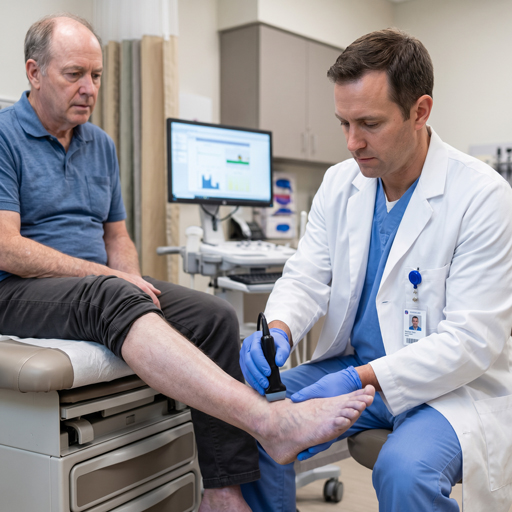
So what happens during an evaluation? First, the provider will question about the injury, how it happened, and when it started. The foot and ankle are next carefully inspected for discomfort, edema, and any evidence of instability. The walking pattern and range of motion are also evaluated.
If something like a fracture seems possible, X-rays or other imaging might be ordered to get a clearer picture.
Don't Ignore Persistent Foot or Ankle Pain
Pain, swelling, or instability that keeps you off the field, court, or track is not something to push aside. Getting it evaluated can help find the actual cause before it grows into a bigger problem.
At Andrea Hyperbaric Wound Care and Health Center, we evaluate sports-related foot and ankle injuries and work to help patients move comfortably again. Call today to schedule an appointment!