







Plantar Fasciitis
Plantar fasciitis is one of the most common causes of heel pain and a frequent reason people visit a podiatrist. It shows up when the plantar fascia, that thick band of tissue running along the arch of your foot and connecting your heel to your toes, gets irritated or inflamed. Most people describe it as a sharp, stabbing feeling that hits hardest with the first steps out of bed or after sitting for a while.
At Andrea Hyperbaric Wound Care and Health Center, we take the time to figure out what's actually driving your heel pain before mapping out a plan. The idea is simple: ease the pain, get you moving normally again, and help you get through your day without heel pain calling the shots. Reach out to schedule an appointment.
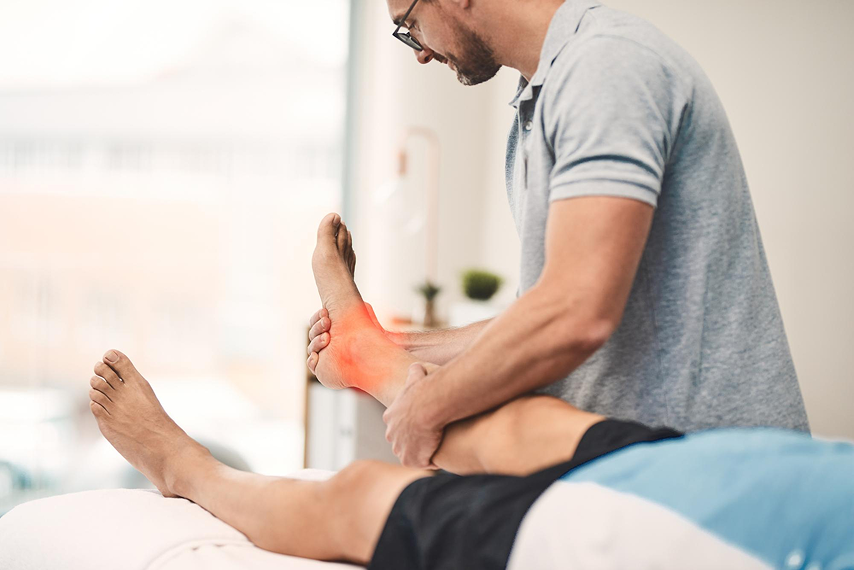
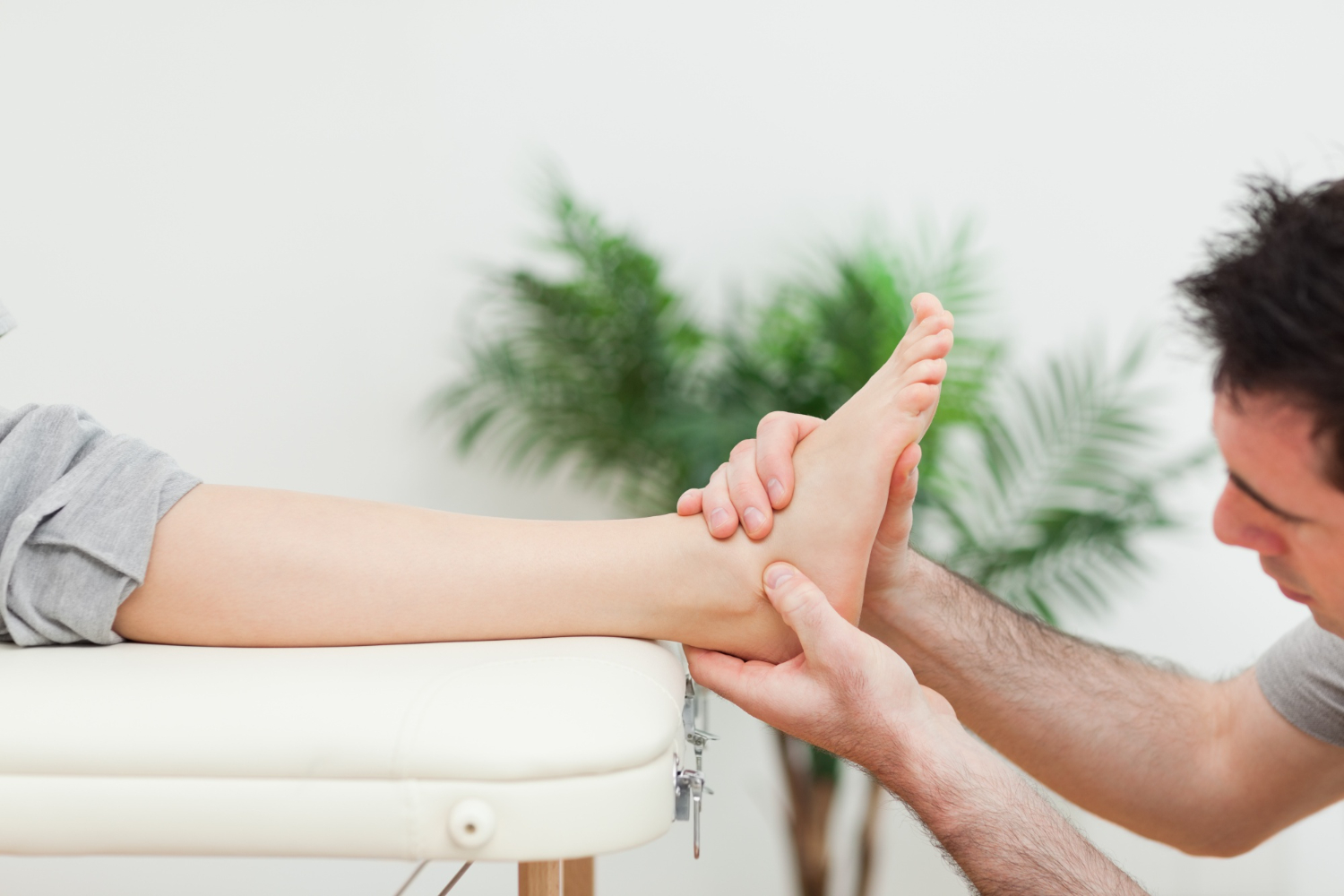
How Does Plantar Fasciitis Develop?
The plantar fascia is a strong band of connective tissue that supports the arch of your foot and helps absorb the mechanical stress created during walking and running. Repeated stress can cause tiny tears in the plantar fascia, resulting in irritation, pain, and, in some cases, inflammation. Over time, the problem might lead to changes in your gait, thus straining other body parts such as the knees and lower back.
A few things tend to raise your odds of running into this:
- Running or walking a lot without much of a break
- Jobs that keep you on your feet for hours
- Carrying extra weight
- Shoes with worn soles or poor arch support
- Flat feet, or arches on the higher end
- Tight calves or Achilles tendons
- Age, especially somewhere between 40 and 60
- Standing on hard floors for long stretches at work
How to Prevent Plantar Fasciitis?
You can't always stop it before it starts, but a few habits go a long way toward lowering your risk.
- Wear shoes with real arch support and cushioning
- Swap out worn athletic shoes before they lose their support
- Stretch your calves and plantar fascia often
- Keep your weight in a healthy range
- Ease into new workouts instead of diving in too fast
- Skip long stretches of barefoot walking on hard floors
- Try orthotics if your podiatrist suggests them
- Give your feet a break at the first sign of heel discomfort
When to Seek Professional Treatment
Heel pain isn't something to just push through, especially once it starts messing with your daily routine. Catching it early usually means quicker relief and fewer headaches down the road.
Come in for an evaluation if you're noticing:
- Sharp pain in the heel with your first steps each morning
- Pain that comes back after sitting or resting
- Heel discomfort after exercise or standing for a while
- Pain that's stuck around for weeks despite trying things at home
- Trouble walking or getting through everyday tasks
- Tenderness along the bottom of the heel
- Swelling or stiffness in the heel or arch
- A noticeable change in how you walk because of the pain
Getting checked out sooner rather than later tends to bring the inflammation down faster and helps reduce the risk of long-term or chronic symptoms.
Find Relief from Plantar Fasciitis
Left alone, plantar fasciitis usually gets worse, not better. At Andrea Hyperbaric Wound Care and Health Center, we build a treatment plan around what's actually going on with your foot, aimed at easing the pain, restoring your mobility, and helping reduce the risk of future flare-ups.