


Foot & Ankle Fractures
A hard fall, a bad step off a curb, a direct hit to the foot; any of these can lead to a fracture. Sometimes the cause is obvious. Other times, there's no single dramatic moment at all.
Instead, the bone weakens gradually from repeated stress, and a fracture occurs without any clear trigger. Where the break happens on the foot or ankle often tells your podiatrist a lot about how it started in the first place.


Recognizing the Signs
- Pain when putting weight on the foot is often the first sign people notice
- Limping caused by pain while walking or standing
- Swelling around the injured area
- Bruising near the foot or ankle
- Tenderness when the area is touched
- Visible deformity from a shifted joint or misaligned bone
- Reduced or absent pain in patients with nerve damage or diabetes
- Additional clues, like swelling or movement changes, are checked when pain isn't present
When It's Time to See a Podiatrist
Some symptoms shouldn't wait. If you're dealing with severe pain, if walking without a limp feels impossible, or if there's an open wound anywhere near where you suspect the break is, get seen right away.
Numbness or tingling in the toes is another red flag; it can mean nerve involvement, and that's not something to ignore.
Even if the pain feels manageable, a fracture that goes untreated can shift, heal improperly, or lead to bigger problems down the road. Getting it looked at early gives you a much better shot at healing properly.
Getting the Right Diagnosis
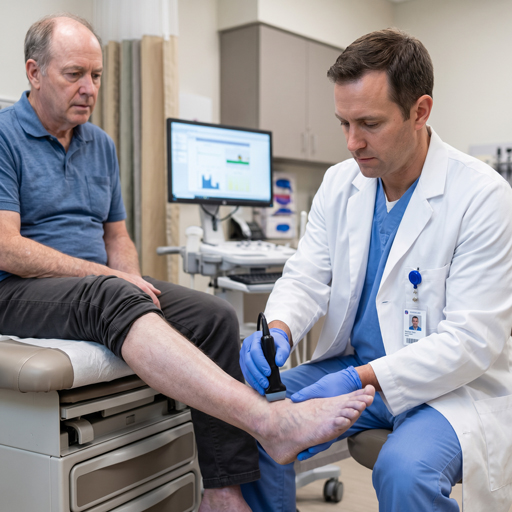
Foot and ankle fractures aren't always easy to spot without imaging. Your podiatrist will examine the area, ask about how the injury happened, and likely order X-rays to confirm what's going on beneath the surface.
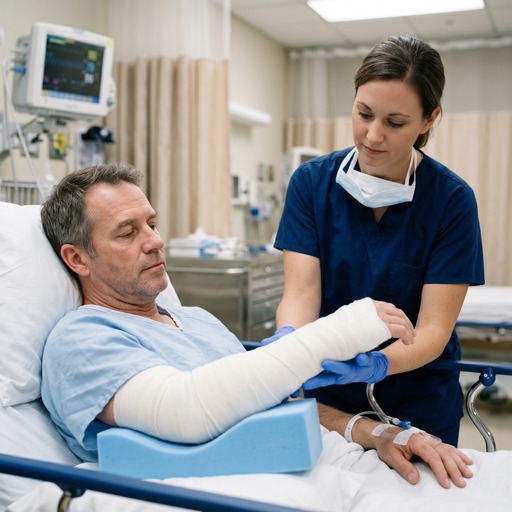
From there, treatment depends on where the break is and how severe it is. Sometimes that means a cast or boot, while other times it calls for a different approach entirely.
Don't Wait on a Suspected Fracture
If you're limping, swelling, or just not sure whether something's broken, don't try to guess your way through it. A quick visit to Andrea Hyperbaric Wound Care and Health Center can save you from a longer recovery later. Call us today to schedule an evaluation.