



Ingrown Toenails
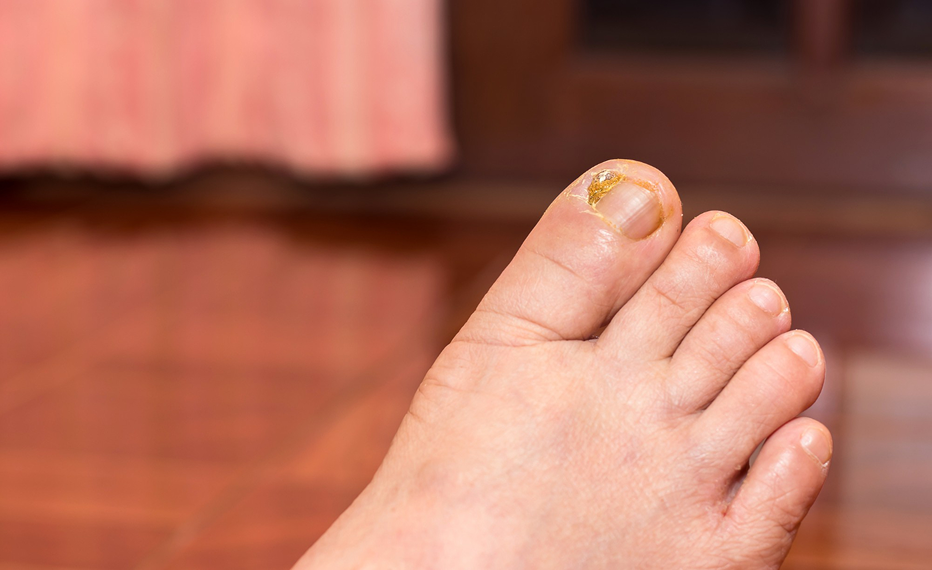
An ingrown toenail occurs when the edge of the nail grows into the surrounding skin, causing pain, redness, swelling, and tenderness. Without treatment, it can become infected, making walking or wearing shoes uncomfortable.
At Andrea Hyperbaric Wound Care and Health Center, we evaluate the condition and provide personalized treatment to relieve pain, treat infection, and help prevent future ingrown toenails.
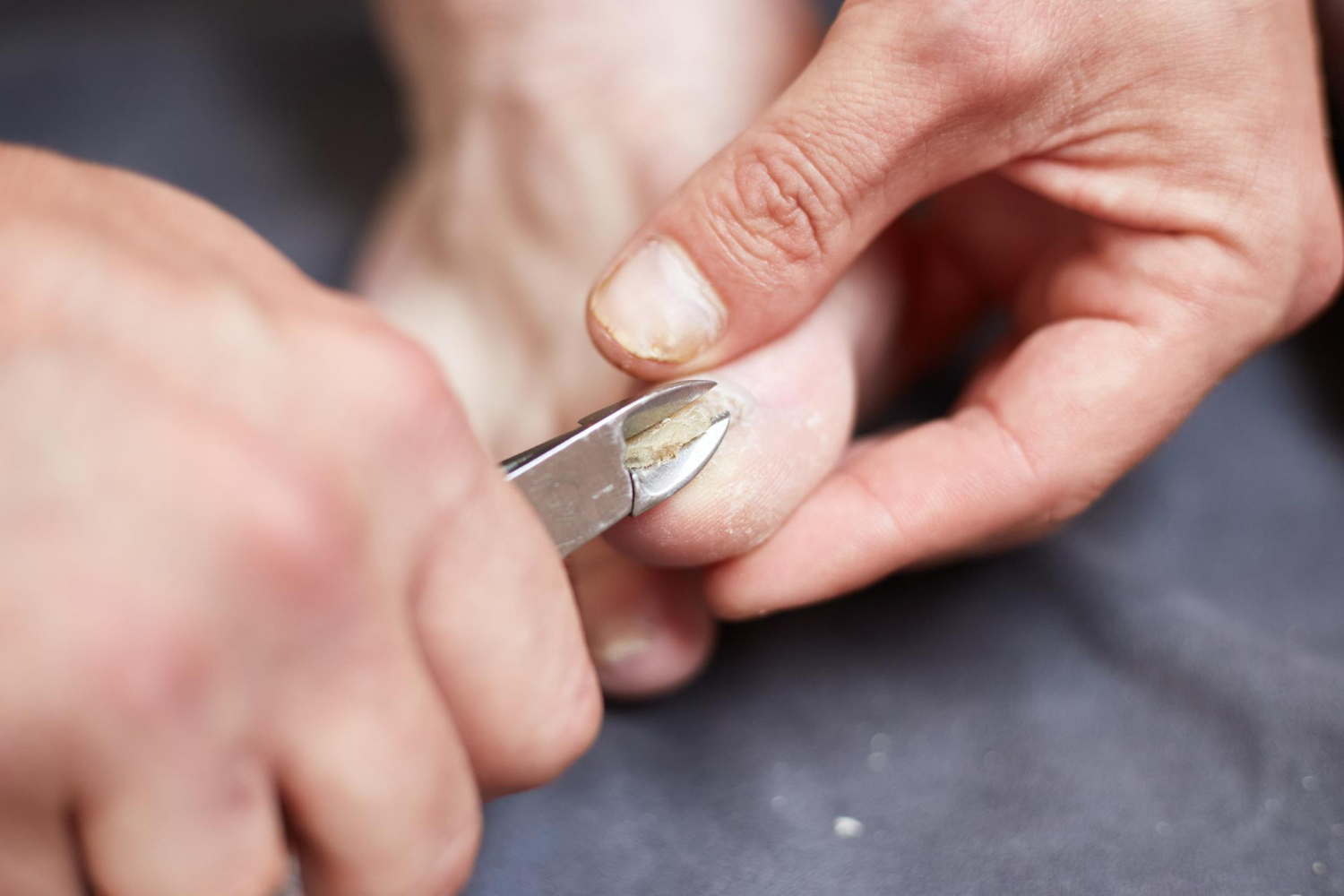
How Do Ingrown Toenails Develop?
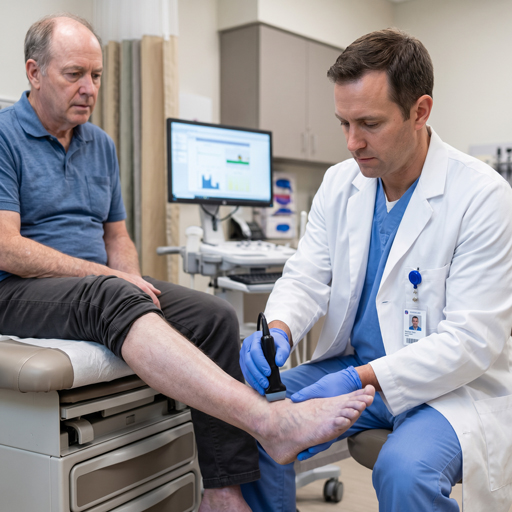
Most of the time, an ingrown toenail starts small. The nail's edge presses into the skin as it grows, and the discomfort builds gradually as it digs deeper. A physical exam is usually enough to diagnose it, though an X-ray may be needed if the nail has grown unusually deep or if something else seems to be going on.
A few things tend to raise your odds of dealing with one:
- Cutting nails too short or rounding off the corners
- Tight or narrow shoes pressing on the toes
- Repeated toe injuries from sports or daily wear and tear
- Nails that are naturally curved or thick
- Poor foot hygiene
- Ongoing pressure on the big toe
- Diabetes or circulation issues affecting the feet
- A family history of ingrown toenails
How to Prevent Ingrown Toenails?
Small habits go a long way toward keeping ingrown toenails from becoming a repeat problem.
- Trim nails straight across, not too short
- Skip rounding the edges when you cut them
- Choose shoes with enough room for your toes
- Keep feet clean and dry
- Swap socks often to cut down on moisture
- Protect your toes during sports or physical activity
- Leave your toenails alone instead of picking at them
- Check your feet regularly, especially if you have diabetes
Signs It's Time to Seek Professional Treatment
Left alone, an ingrown toenail rarely gets better on its own. Catching it early makes a real difference in avoiding infection and easing pain sooner.
Come in for an evaluation if you're noticing:
- Pain along the edge of the nail
- Redness or swelling near the nail
- Tenderness when you touch the toe
- Bleeding or drainage around the nail
- Pus or other signs of infection
- Skin growing over the nail's edge
- Trouble wearing shoes or walking comfortably
- Symptoms that stick around despite home care
Get Professional Treatment for
Ingrown Toenails
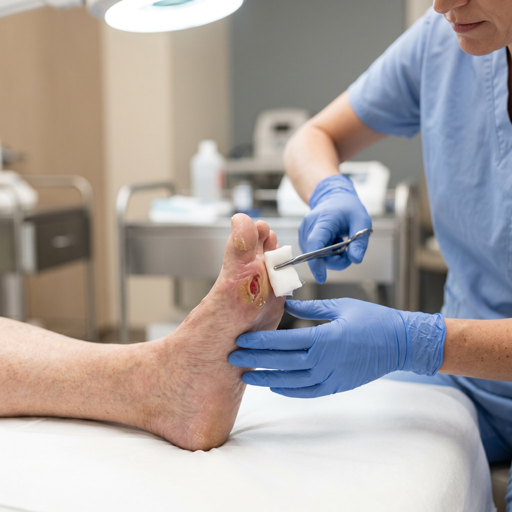
Left untreated, an ingrown toenail can lead to persistent pain and infection. At Andrea Hyperbaric Wound Care and Health Center, we provide personalized treatment that may include relieving pressure, treating infection, or, when
necessary, removing part of the nail.