







Corns
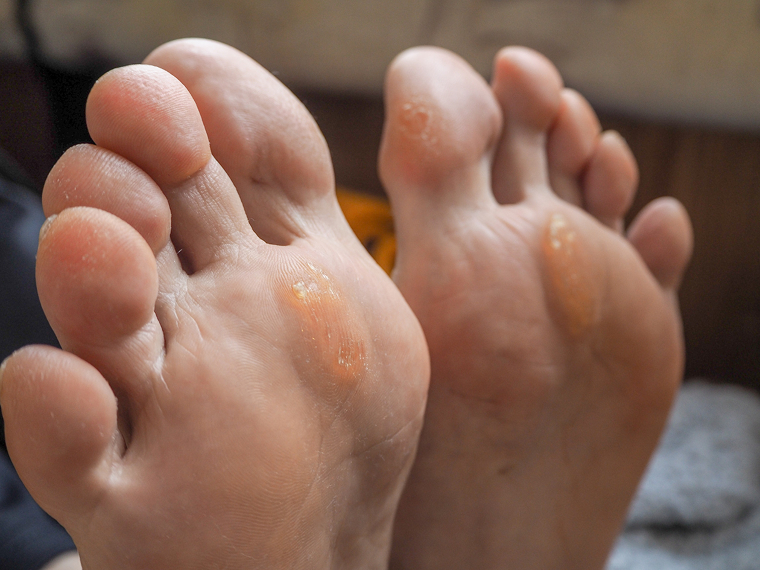
Corns are small, thickened areas of skin that form where a foot experiences repeated friction or pressure. They often show up on the top or side of the toes, though they can also develop on the sole.
While corns are rarely dangerous, they can be uncomfortable, and picking at them or using the wrong home remedy sometimes makes things worse rather than better.
Corns develop as a protective response. When skin is repeatedly rubbed or squeezed, it thickens to shield the tissue underneath. Over time, that thickened patch can press into deeper layers of skin and become painful, especially when wearing shoes or standing for long periods.
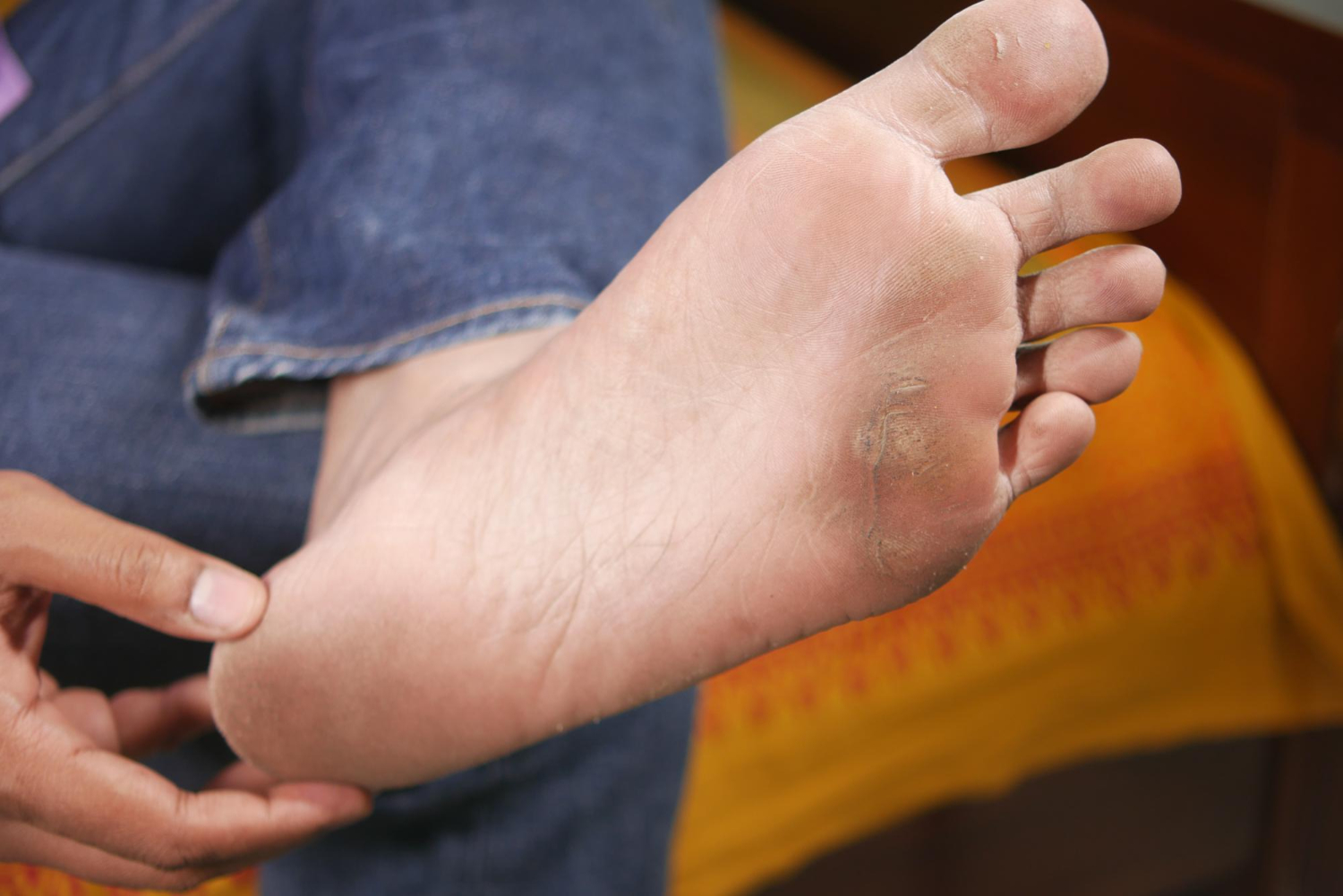
How Do Corns Develop?
Corns form gradually, usually in response to a repeated source of friction or pressure that isn't addressed.
Common contributors include:
- Shoes that are too tight, too loose, or poorly fitted
- High heels or shoes with a narrow toe box
- Toe deformities, such as hammertoes or bunions
- Walking or standing for long periods without support
- Skipping socks or wearing seams that rub against the skin
- Structural issues in the foot that shift weight unevenly
Simple Habits That Help Prevent Corns
Most corns can be avoided with a bit of attention to footwear and foot health.
Habits worth building into your routine:
- Choose shoes with a wide, rounded toe box and good cushioning
- Have your shoe size checked periodically, since foot size can change
- Wear moisture-wicking socks to reduce friction
- Use protective pads over areas prone to rubbing
- Moisturize your feet regularly to keep skin flexible
- Avoid walking barefoot on hard surfaces for long stretches
- Address any bunions, hammertoes, or gait issues early
When to Seek Professional Treatment
Plenty of mild corns respond well to a change in footwear and a bit of patience. But there are moments when trying to handle it yourself isn't the right call.
- A corn keeps coming back no matter what you try,
- It's painful enough to change how you walk, or
- The skin around it looks red, warm, or infected,
- You have diabetes or poor circulation.
It's also worth mentioning that cutting or shaving a corn at home with a razor or scissors is one of the more common ways people develop an infection. A podiatrist can remove it safely and help figure out what's causing it in the first place.
If a corn keeps coming back, becomes painful, or you're unsure what you're dealing with, Andrea Hyperbaric Wound Care & Health Center can evaluate the area and recommend treatment suited to your foot health.