






Diabetic Foot
Diabetes can quietly change the way your feet look, feel, and heal, often before you notice anything is wrong. Over time, high blood sugar can damage the small blood vessels and nerves that keep your feet healthy, leading to poor circulation and a condition called peripheral neuropathy. Many people describe it as a pins-and-needles feeling, while others notice burning, tingling, or a gradual numbness that spreads across the toes and soles.
That loss of sensation is what makes diabetic foot care so important. A small cut, blister, or callus that would normally get your attention can go completely unnoticed, and reduced blood flow means those minor injuries take longer to heal and are more likely to become infected.
Regular foot checks, good daily habits, and prompt attention to any changes can prevent small issues from becoming serious ones.


How Does Diabetes Affect Your Feet?
The diabetic foot doesn't get damaged overnight. It develops slowly, as high blood sugar levels injure nerves and constrict the blood vessels that supply the lower legs and feet. Once that injury happens, the feet lose some of their natural capacity to convey pain or to heal swiftly on their own.
Factors that commonly contribute to diabetic foot complications:
- Long-term or poorly controlled blood sugar levels
- Reduced circulation to the lower legs and feet
- Nerve damage that dulls pain, heat, or pressure sensation
- Calluses or pressure points that go unnoticed and worsen over time
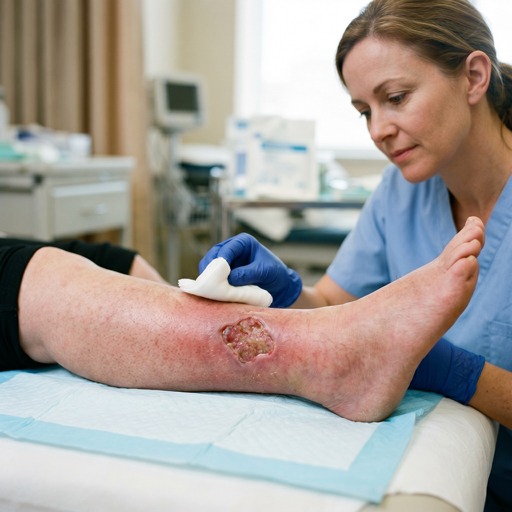
- Cuts, blisters, or cracks in dry skin that go untreated
- Ill-fitting shoes that rub, pinch, or trap moisture
- Smoking further restricts blood flow to the feet
- Skipping regular foot checks
Simple Daily Habits That Protect Your Feet
Most diabetic foot complications are preventable with a bit of daily attention. A consistent routine makes it far easier to catch problems while they are still minor.
Habits worth building into your day:
- Wash your feet daily with lukewarm water and mild soap
- Dry thoroughly, especially between the toes
- Moisturize your feet, but avoid the spaces between toes
- Inspect your feet every day for cuts, redness, swelling, or blisters
- Use a mirror or ask for help checking the soles if needed
- Trim toenails carefully and straight across
- Wear clean, well-fitting shoes and moisture-wicking socks
- Avoid walking barefoot, indoors or outdoors
- Keep your feet warm and dry in cold or wet weather
- Keep blood sugar levels as stable as possible
When to Seek Professional Treatment
Even with good daily care, diabetic feet need a trained eye watching for changes that are easy to miss at home. Waiting too long to address a problem is one of the most common ways a minor issue turns into a serious one.
Signs that call for an evaluation:
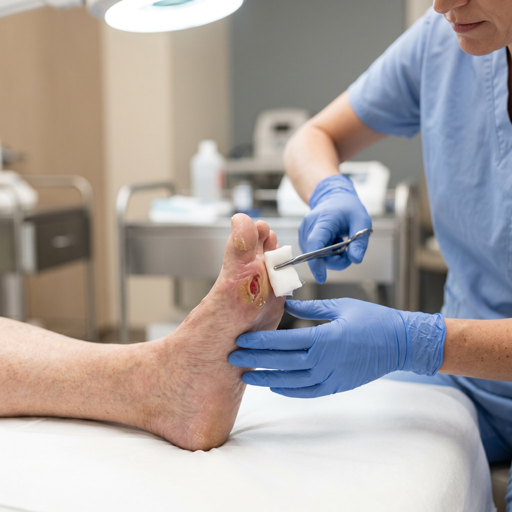
- A cut, sore, or blister that isn't healing
- Redness, warmth, or swelling anywhere on the foot
- Increasing numbness, tingling, or loss of sensation
- Skin discoloration or a wound with an unusual odor
- Cracked, dry skin or persistent calluses
- An ingrown toenail or signs of fungal infection
- Any drainage, pus, or open wound
- Pain that seems out of proportion to the injury, or none at all, in an area that should hurt
Catching a problem early almost always means simpler treatment and a much lower risk of complications down the road.
Living Well With Diabetic Feet
Good diabetic foot care is less about any single action and more about consistency. Checking your feet daily, choosing supportive footwear, managing your blood sugar, and staying alert to small changes all work together to reduce your risk of infection, ulcers, and more serious complications.
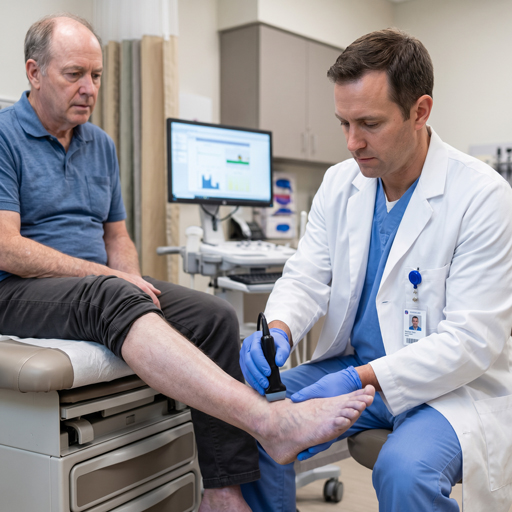
A yearly comprehensive foot exam, along with prompt attention to anything unusual, gives you the best chance of catching problems while they are still easy to treat.
If you notice any of the warning signs above or need a thorough diabetic foot exam, Andrea Hyperbaric Wound Care & Health Center offers evaluations and individualized treatment plans.