





Flat Feet
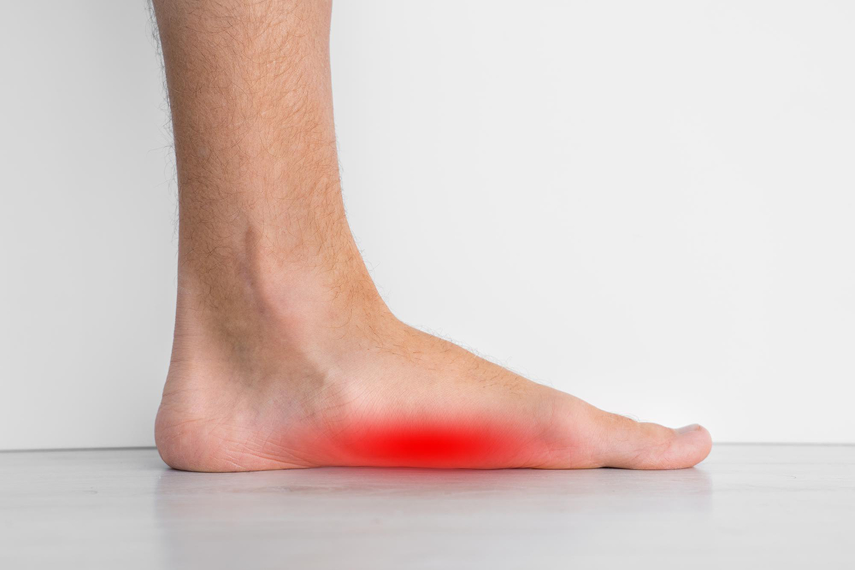
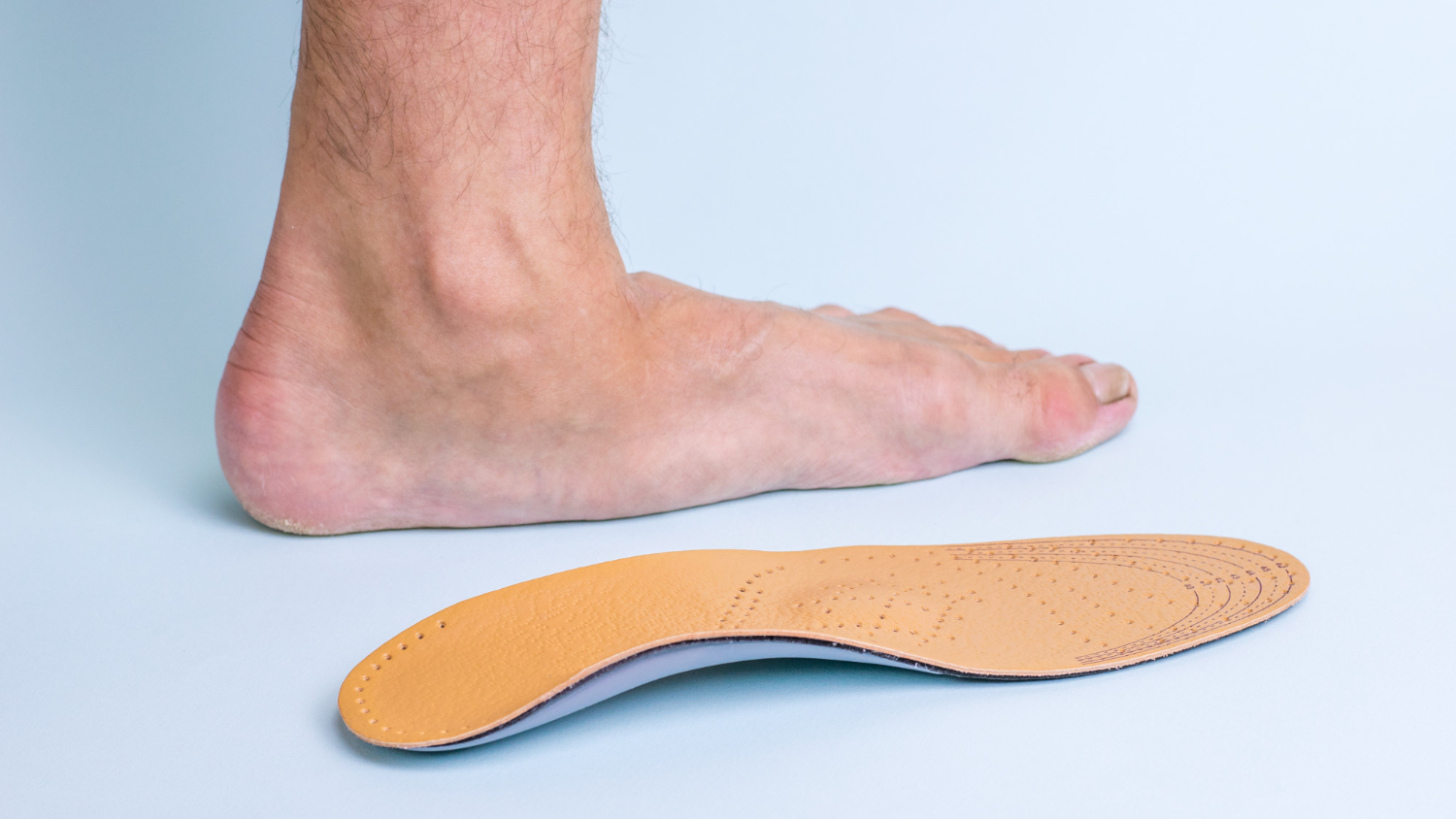
Some people naturally have little or no arch in their feet, a condition commonly known as flat feet. Most kids start this way and develop arches naturally as they grow. When that development doesn't happen, foot pain tends to show up later in life instead.
Walking with flat feet usually comes with overpronation, where the feet roll inward and point outward more than they should.
Since your feet carry your entire body weight, missing arch support can lead to excess pressure on certain areas of the foot. This uneven weight distribution can alter your gait, affect overall alignment, and contribute to discomfort in your feet and other parts of your body.
Why Flat Feet Cause Pain
Pain from flat feet generally comes down to strain on the muscles and on the ligaments holding everything together. Rolling the feet while walking is common, too, and that rolling motion often drags the ankle into discomfort as well.
It doesn't always stop at the feet, either. Swelling can occur in the calves, lower legs, knees, and even the lower back. Stiffness in the feet themselves is another frequent complaint people have.
Flat feet can develop for a variety of reasons, including:
- Genetics
- A foot or ankle injury
- Arthritis
- Nerve damage affecting the feet
Finding Relief
The good thing is that flat feet don't have to mean living with constant discomfort. Certain exercises and stretches can ease a lot of the strain, giving the muscles and ligaments some relief from carrying extra weight they weren't built to handle alone.
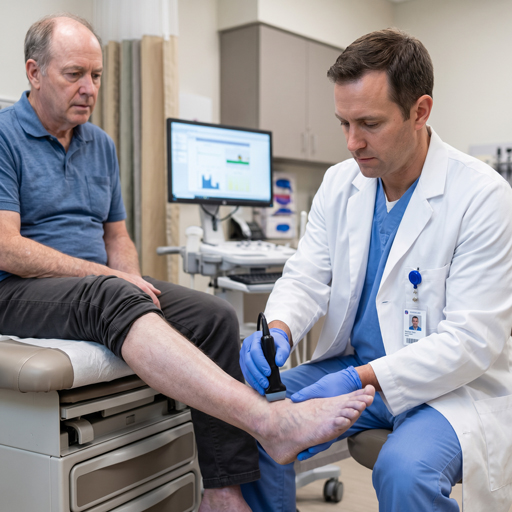
That said, what works varies a lot from person to person. A podiatrist can look at your specific situation and put together a plan that actually fits, rather than guessing at generic stretches and hoping something helps.
Talk to a Podiatrist About Flat Feet
If flat feet have been causing pain, stiffness, or swelling that won't quit, it's worth getting checked out. At Andrea Hyperbaric Wound Care and Health Center, we'll take a look at what's going on with your feet and walk you through the options that make sense for you.
Call us today to schedule an evaluation.