






Foot Surgery
Not every foot problem needs surgery. But sometimes an injury or condition becomes serious enough that surgery is the best option to restore normal movement.
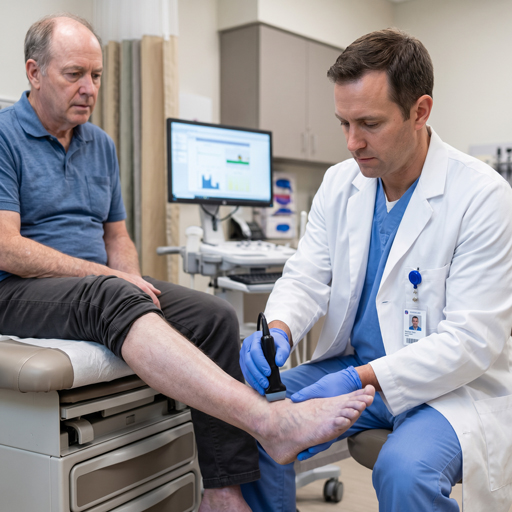
If your condition does not improve with non-surgical care, a podiatrist can assess whether surgery is the next appropriate step. At Andrea Hyperbaric Wound Care and Health Center, we take the time to figure out what's actually going on before recommending anything.
Some cases call for surgery while others don’t. Either way, you deserve a plan built around your specific foot, not a generic one-size-fits-all answer. Call us today to get evaluated.


What Conditions Might Require Surgery?
Foot and ankle surgery encompasses a wide range of conditions and treatment options. Podiatrists use it to treat conditions that range from minor annoyances to genuinely serious problems, depending on how far things have progressed.
Some of the more common reasons why surgery is considered:
- Bunions that keep getting worse
- Chronic heel pain that hasn't responded to other treatment
- Flat feet are causing ongoing discomfort
- Arthritis affecting the foot or ankle joints
- Sports-related injuries
- Hammertoes that have become rigid
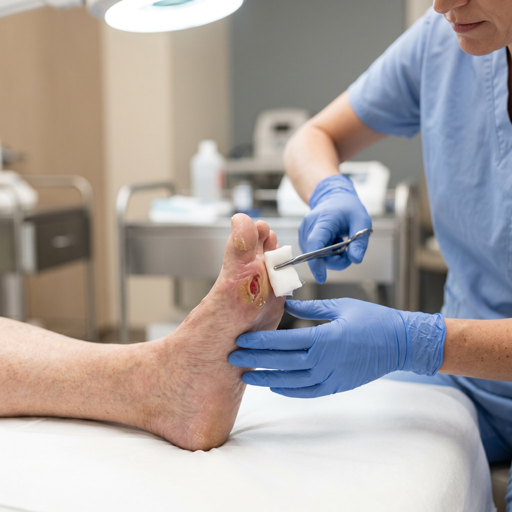
- Ingrown toenails that keep returning or get infected
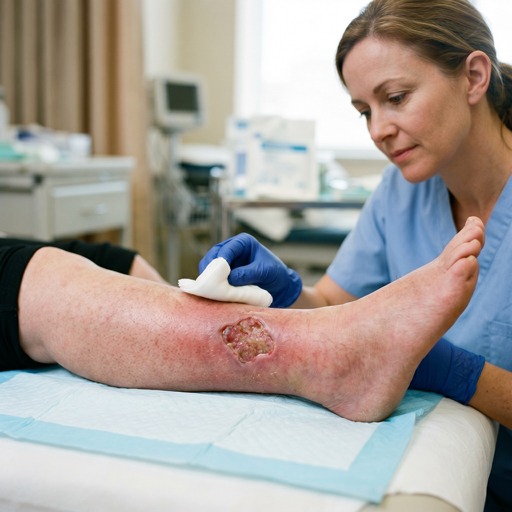
- Complications linked to diabetes
- Fractures that need more than a cast or boot
Whether surgery makes sense really comes down to the type of injury and how severe it has become. Two people with the same diagnosis might end up on completely different treatment paths.
Signs You Shouldn't Ignore
Many foot conditions begin with mild symptoms that are easy to overlook. Without timely attention, they can gradually progress and become more difficult to manage.
Get checked out if you notice:
- An unusual growth or lump on the foot or ankle
- Changes in how your foot or ankle looks
- Pain or discomfort while standing or walking
- Persistent foot pain that does not improve
- Swelling that doesn't go away with rest
Catching these signs early gives you more options. If you wait too long, surgery might end up being the only option left.
What Recovery Usually Looks Like
Recovery isn't the same for everyone, since it depends heavily on what kind of surgery you had and how your body responds. While treatment is tailored to each condition, most podiatrists recommend a few fundamental measures during the early stages of recovery:
- Getting plenty of rest
- Avoiding excessive pressure on the affected foot
- Icing the area to bring swelling down
- Keeping the foot elevated
Some patients are back to light activity within weeks. Others need more time. Your podiatrist will walk you through what to expect for your specific procedure, since guessing rarely does anyone any favors.
Don't Wait to Get Answers
If something about your foot or ankle feels off, and it's not improving on its own, don't ignore it. Whether surgery is necessary or not, getting an early, proper diagnosis can be beneficial.
Call Andrea Hyperbaric Wound Care and Health Center today to schedule an evaluation
and find out what your options are.