






Geriatric Foot Care
Your feet carry your full body weight for an entire lifetime. It’s no surprise that, decades in, they start to show it.
Some wear and tear is normal. But as we age, our feet also become more prone to conditions that need real attention, not just a shrug and an ice pack.
Common Complications in Older Adults
- Bunions and hammertoes
- Changes in overall foot shape and size
- Arthritis, along with the stiffness and pain that comes with it
- Fungal or ingrown toenails
- General foot pain or soreness that doesn’t have one clear cause
Why Feet Keep Changing With Age
Feet don’t stop changing shape once we’re adults. Ligaments loosen, arches flatten slightly, and feet often widen or lengthen over the years.
Shoes that fit five years ago may not fit now. Squeezed toes are a common trigger for bunions and hammertoes, and the fix is often as simple as getting refitted.
Nail Care Gets Riskier
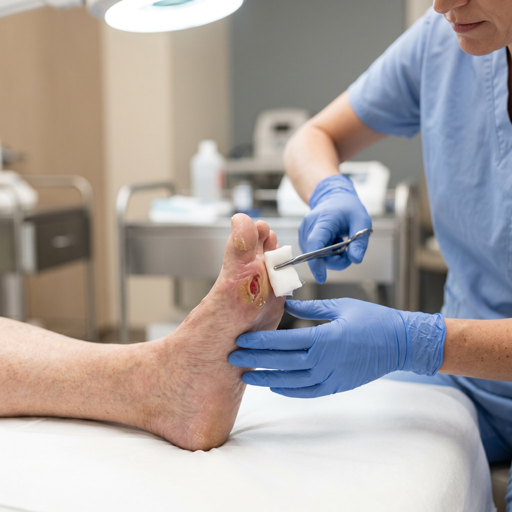
Trimming nails gets harder with age, thanks to reduced flexibility, weaker eyesight, and thicker nails. Cut the wrong way, and an ingrown toenail follows.
A podiatrist trims nails straight across and can catch fungal infection early, which matters more than it used to, since minor issues heal more slowly in older feet.
Arthritis and What Helps
Arthritis is common in aging feet, and it brings stiffness along with the pain. Custom orthotics help by shifting pressure away from the joints that hurt most. Light daily stretching keeps things from tightening up further.
When to See a Podiatrist
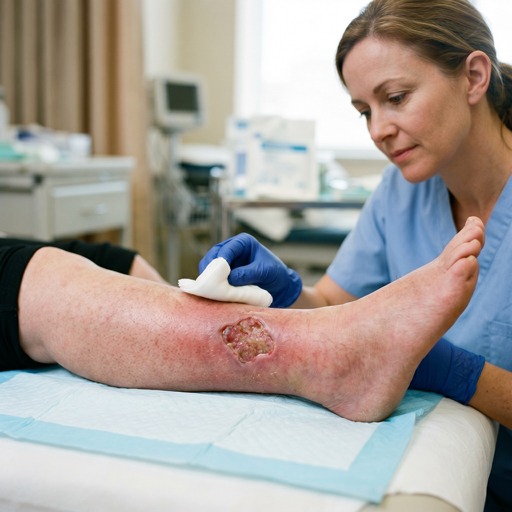
Persistent soreness, a wound that isn’t healing, or a nail that’s grown inward are all reasons to get checked, not wait it out. This matters even more for anyone managing diabetes or poor circulation.
Give Your Feet the Care They’ve Earned
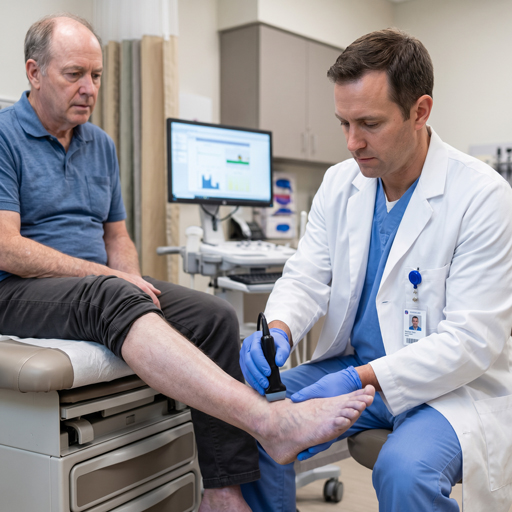
If foot pain or changes have started interfering with daily life, Andrea Hyperbaric Wound Care and Health Center can help.
Call us today to schedule an evaluation.