HBOT for Acute Arterial Insufficiency
Blood carries oxygen to every part of the body. When an artery becomes severely narrowed or blocked, the tissue it supplies stops getting what it needs, and the effects show up fast.
Doctors call this sudden drop in blood flow Acute Arterial Insufficiency. It's not something to wait out.
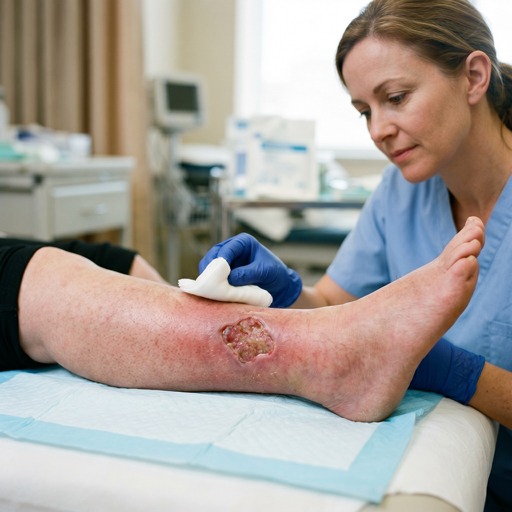
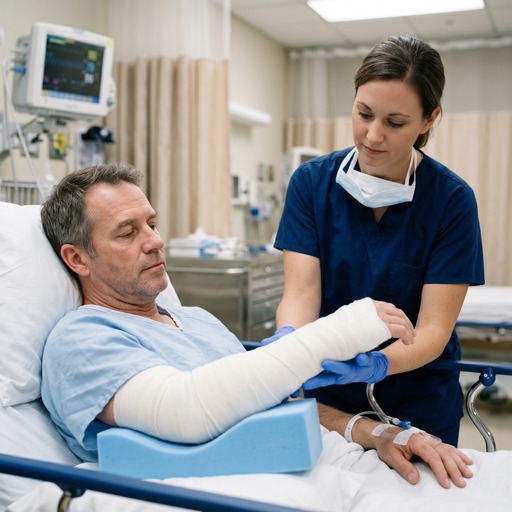
A wound that looks minor at first can turn into a non-healing ulcer, or worse, tissue death or a dangerous infection like gas gangrene.


What Is Acute Arterial Insufficiency?
It happens when blood flow through an artery suddenly drops or stops. A blood clot is the usual cause, though advanced Peripheral Vascular Disease can lead to the same result.
Common signs include:
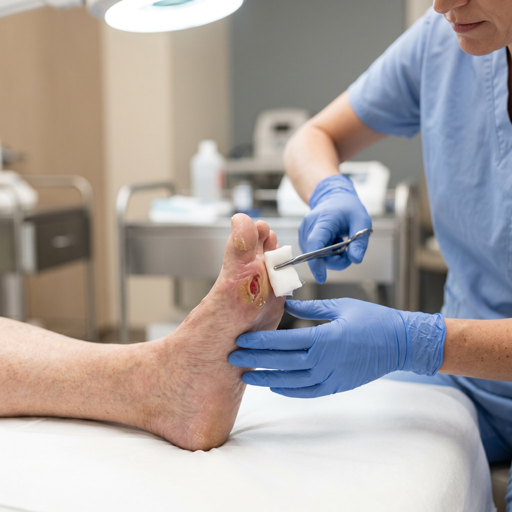
- Wounds or ulcers that won't heal
- Severe pain related to poor circulation
- Serious infections, including gas gangrene in advanced cases
Restoring blood flow is always the first priority. Getting more oxygen to the affected tissue comes next, and that's where Hyperbaric Oxygen Therapy fits in.
How HBOT Supports Recovery
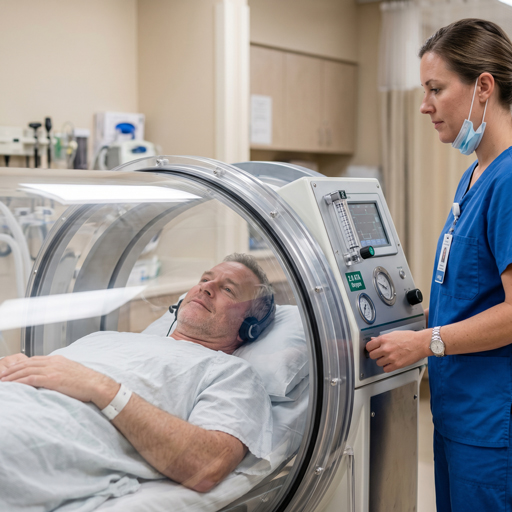
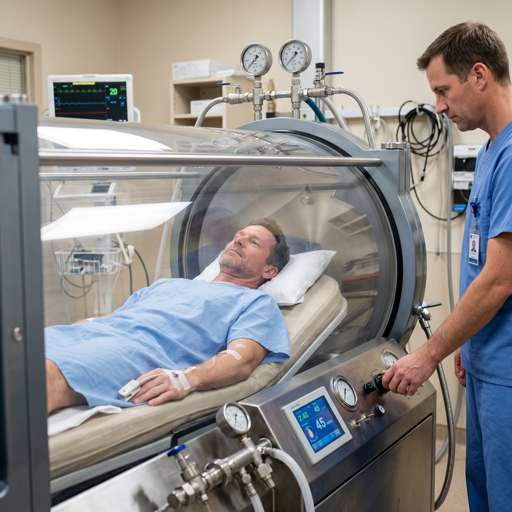
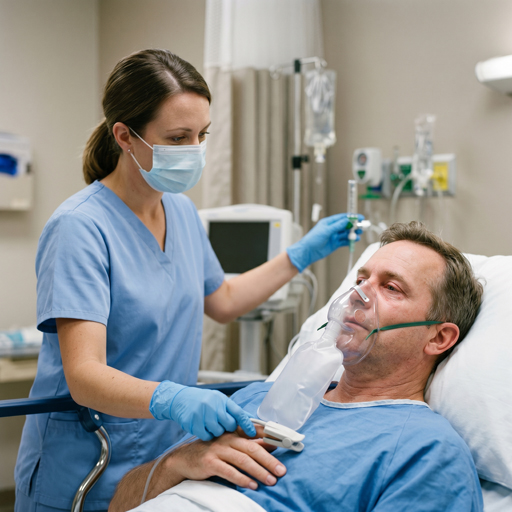
During HBOT, patients breathe 100% oxygen inside a pressurized chamber. The added pressure lets more oxygen dissolve into the blood plasma, reaching tissue that circulation alone can't supply.
HBOT won't open a blocked artery, and it's not a substitute for a vascular procedure. What it does is increase the oxygen available while the underlying problem is treated through other means.
HBOT may help with:
- Delivering oxygen to tissue with a limited blood supply
- Supporting healing in stalled chronic wounds
- Reducing swelling that restricts circulation further
- Encouraging new blood vessel formation
It's typically used alongside vascular procedures, wound care, and antibiotics, not as a replacement for them.
Who Tends to Benefit
HBOT is often considered when tissue has been damaged by reduced arterial blood flow, especially if a wound is healing slowly or has become infected. That can include patients with:
- Acute Arterial Insufficiency linked to Peripheral Vascular Disease
- Wounds related to poor circulation
- Ischemic ulcers on the feet or legs
- Gas gangrene or other severe soft tissue infections
Every patient is carefully evaluated before HBOT is added to their plan.
Why Early Treatment Matters
The longer tissue goes without blood flow, the higher the risk of lasting damage, infection, or limb-threatening complications. Catching it early gives patients the best odds of a full recovery.
Talk to Our Team If you've been diagnosed with Acute Arterial Insufficiency, or you have a wound that isn't responding to standard care, Andrea Hyperbaric Wound Care and Health Center can help. Call us today to schedule a consultation.