HBOT for Radiation-Related Problems
Supporting Recovery as Part of Comprehensive Wound Care
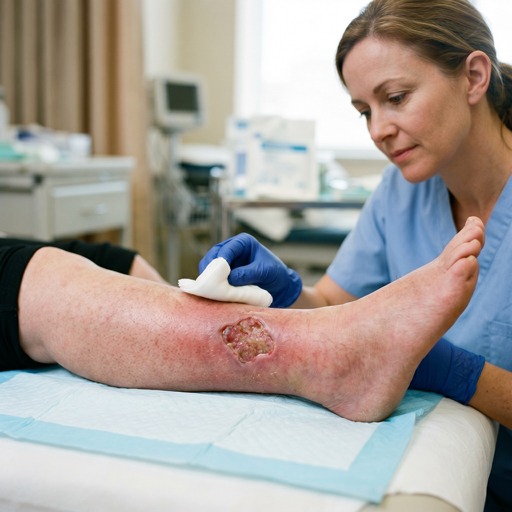
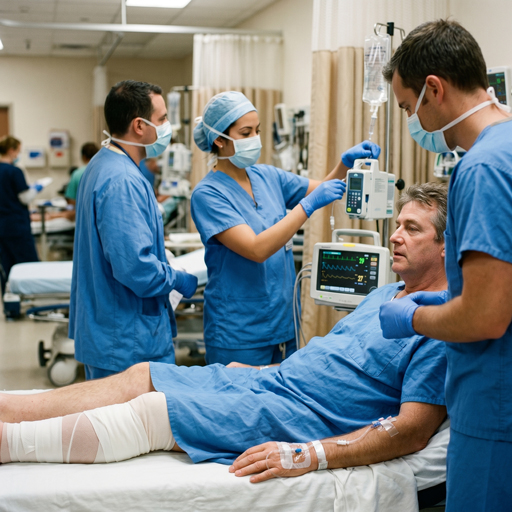
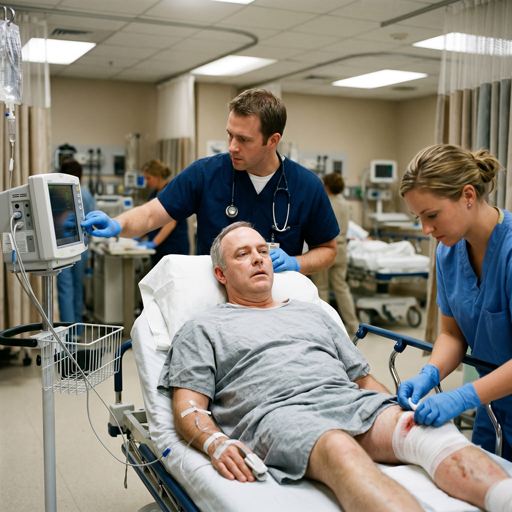
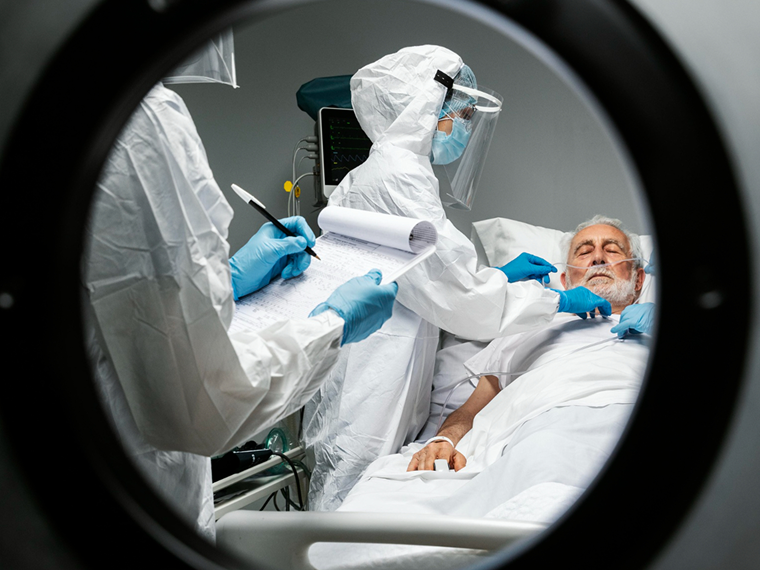
Necrotizing infections are not like ordinary bacterial infections. They spread through skin and soft tissue fast, and they do real damage along the way. Emergency surgery, antibiotics, and intensive medical care are the immediate response. Even after those interventions bring the infection under control, the healing process can be long and difficult because of how extensively these infections compromise tissue.
In certain cases, Hyperbaric Oxygen Therapy may be considered as part of the broader treatment picture. At Andrea Hyperbaric Wound Care and Health Center, HBOT is offered for patients who have been evaluated and meet the appropriate clinical criteria.
Why Does Healing Take So Long After a Necrotizing Infection?
Damaged tissue and reduced blood flow go hand in hand with these infections. As circulation drops in the affected area, less oxygen reaches the tissues, and without adequate oxygen, the body simply cannot do the repair work it needs to do.
Factors that can slow recovery:
- Reduced blood flow to the affected area
- Lower oxygen delivery to damaged tissue
- Extensive soft tissue damage from the infection itself
- Tissue removed surgically during treatment
- Ongoing wound care demands throughout recovery
- The patient's overall health and the severity of the original infection
Recovery looks different for everyone, shaped by the individual's medical history and how far the infection progressed before treatment began.
What HBOT Does for Damaged Tissue?
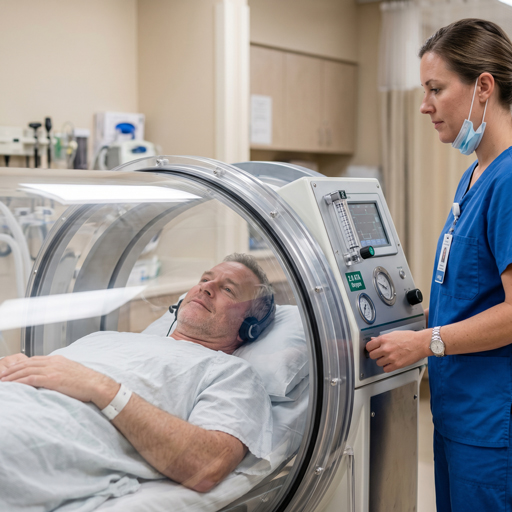
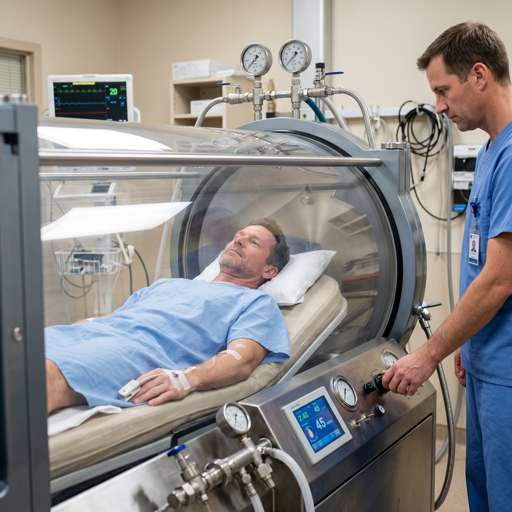
Hyperbaric Oxygen Therapy is performed inside a pressurized chamber where patients breathe 100% oxygen. The increased pressure allows oxygen to dissolve more efficiently into the bloodstream, helping it reach tissues with reduced circulation and supporting the body's natural healing response.
HBOT may help support:
- Improved oxygen delivery to affected tissues
- The body's natural tissue repair process
- Formation of new small blood vessels
- Recovery as part of a comprehensive wound care plan
HBOT is intended to complement standard medical care and is used alongside treatments such as surgery, antibiotics, and wound management when recommended by a healthcare provider.
Who May Be Considered for HBOT?
Eligibility depends on a thorough medical evaluation. Whether HBOT fits into a patient's plan comes down to their diagnosis, medical history, and what their healthcare provider recommends.
Patients who may be evaluated include those with:
- Necrotizing soft tissue infections
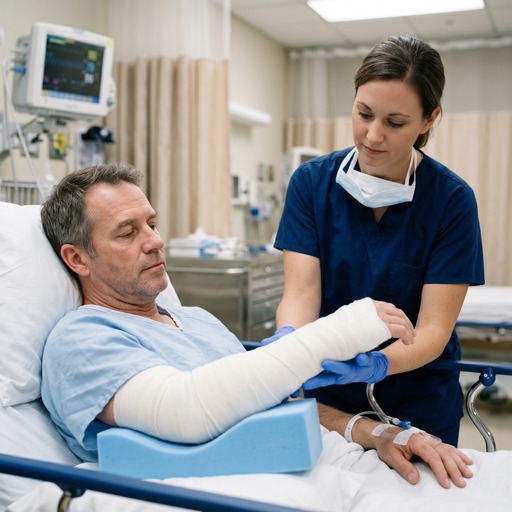
- Surgical wounds following severe infection treatment
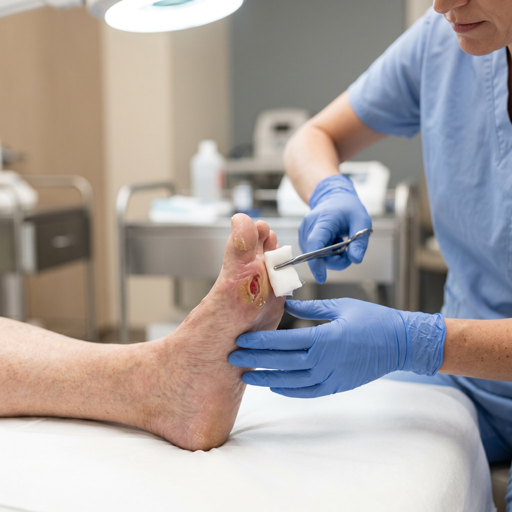
- Complex wounds requiring advanced wound care
- Delayed healing after serious soft tissue infections
- Other physician-diagnosed qualifying conditions
Schedule a Consultation
Recovery from a necrotizing infection often requires ongoing medical care, careful monitoring, and a personalized treatment approach. If you have been diagnosed with a qualifying condition and would like to learn whether Hyperbaric Oxygen Therapy (HBOT) may be appropriate as part of your care plan, contact Andrea Hyperbaric Wound Care and Health Center.
Our team can provide a comprehensive evaluation, discuss your treatment options, and help determine whether HBOT may be a suitable addition to your overall recovery plan.