
HBOT for Diabetic Leg and Foot Wounds
Helping Diabetic Wounds Heal Before Serious Complications Develop
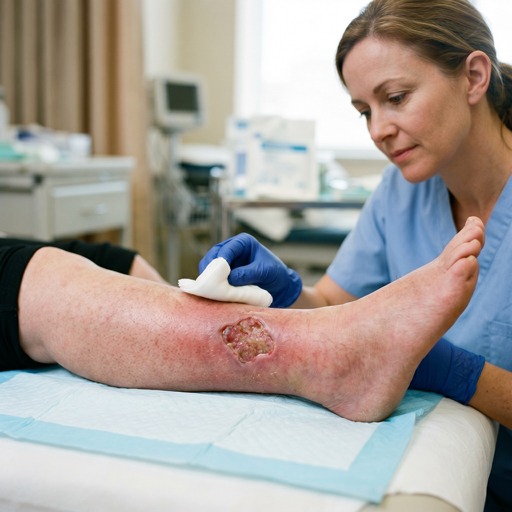
For people living with diabetes, a small cut or blister on the foot is not a small problem. Diabetes can affect circulation and nerve function, making injuries harder to detect and slower to heal. A wound that would heal quickly in a healthy person can remain open for weeks or months in a diabetic patient, becoming a growing risk for infection, tissue damage, and potentially amputation.
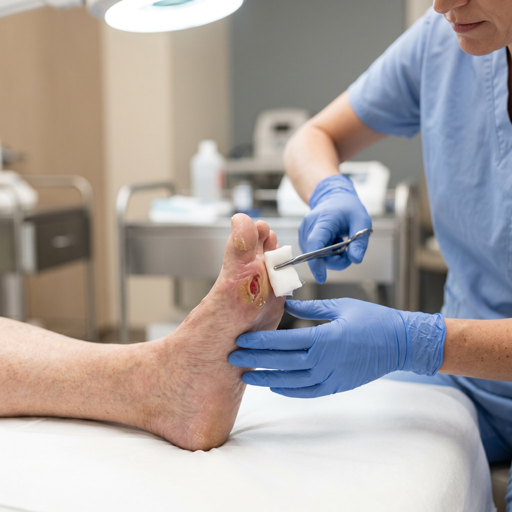
Standard wound care is essential, but some diabetic wounds need more than dressings and debridement. Hyperbaric Oxygen Therapy delivers concentrated oxygen directly to damaged tissue, supporting the body's own repair process in a way that conventional care alone cannot.
At Andrea Hyperbaric Wound Care and Health Center in Ozone Park, NY, HBOT is part of a broader treatment approach for diabetic leg and foot wounds that have not responded to standard care.

Why are These Wounds So Hard to Heal?
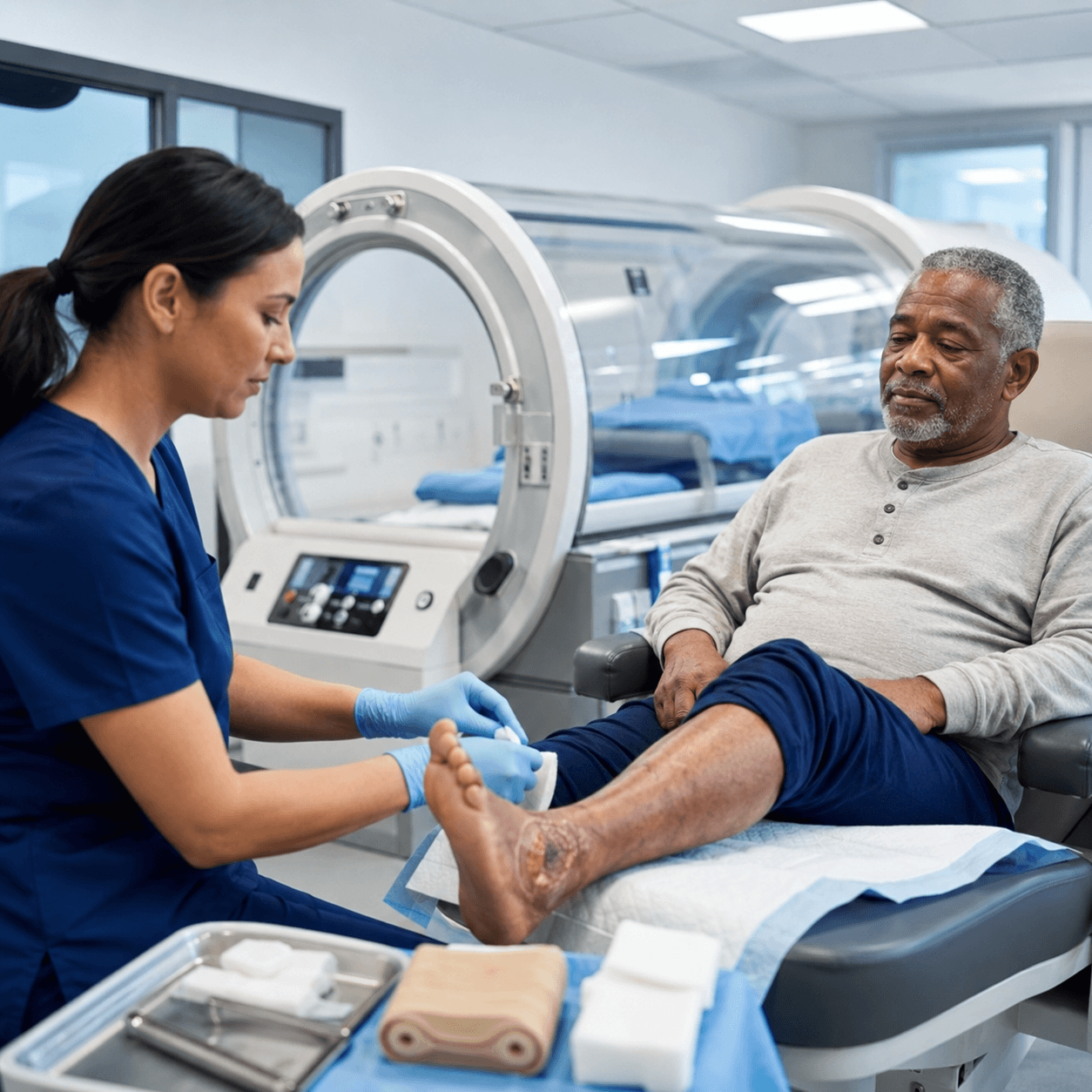
Wound healing depends heavily on an adequate supply of oxygenated blood reaching damaged tissues. In diabetes, blood vessels narrow and become damaged over time, reducing the delivery of oxygen and other nutrients required for wound healing. Diabetes can also impair the body's ability to fight infection, increasing the risk of bacterial growth within the wound.
Diabetic neuropathy further complicates healing because reduced sensation in the feet may prevent patients from noticing injuries until they have significantly progressed. Factors contributing to the difficulty of wound healing in diabetics:
- Reduced circulation in the legs and feet
- Nerve damage that limits awareness of injury
- Insufficient oxygen reaching damaged tissue
- Higher susceptibility to bacterial infection
- Slower tissue regeneration
- Ongoing pressure on foot ulcers during daily activity
Left without timely treatment, these wounds tend to worsen rather than stabilize.
How HBOT Supports the Healing Process
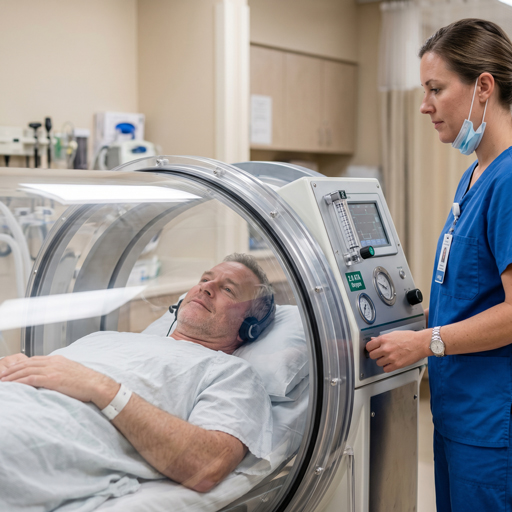
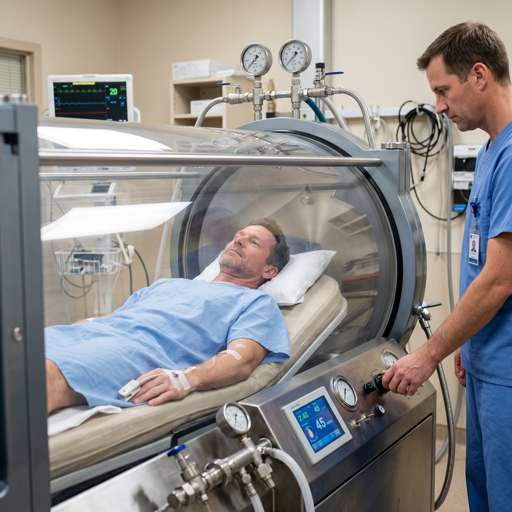
Inside a pressurized hyperbaric chamber, patients breathe 100% pure oxygen. The increased atmospheric pressure allows the bloodstream to absorb far more oxygen than it normally could. That oxygen-rich blood travels to areas where circulation is compromised, including chronic diabetic wounds that have been failing to close.
What HBOT can do for diabetic wounds:
- Increase oxygen delivery to oxygen-deprived tissue
- Promote new blood vessel formation in and around the wound
- Support collagen production and tissue regeneration
- Strengthen the body's immune response at the wound site
- Help control bacteria associated with chronic wounds
- Improve the effectiveness of other wound treatments
- Reduce the risk of wound progression and amputation
By addressing the oxygen deficit that underlies delayed healing, HBOT targets the problem at its source rather than just managing its surface.
Who This Treatment is For
HBOT is typically recommended when diabetic leg or foot wounds have not improved despite appropriate standard care. It becomes part of a broader treatment plan after a thorough clinical evaluation.
Patients who may benefit include those with:
- Diabetic foot ulcers
- Non-healing leg wounds related to diabetes
- Chronic wounds linked to poor circulation
- Infected diabetic wounds
- Wounds at risk of tissue loss
- Slow-healing wounds following diabetic complications
HBOT works alongside wound cleaning, infection management, pressure relief, and ongoing diabetic foot care rather than replacing any of them.
Many approved HBOT treatments are covered by Medicare and most major insurance providers for qualifying conditions.
A Treatment Plan Built Around You
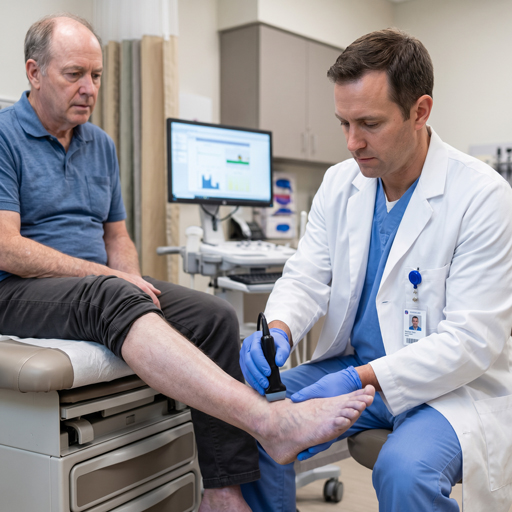
No two diabetic wounds are alike. Treatment begins with a personalized evaluation to understand the wound, the patient's overall health, and what combination of therapies gives the best chance of healing.
At Andrea Hyperbaric Wound Care and Health Center, advanced wound care and hyperbaric oxygen therapy are delivered together, with close monitoring throughout to adjust the plan as healing progresses.
The goal is always the same: preserve healthy tissue, close the wound, and prevent complications from taking hold.
Get Expert Care for Diabetic Leg & Foot Wounds
An open wound is not something to monitor and hope for the best. The longer it stays open, the greater the risk of serious infection, tissue loss, and complications that affect mobility and long-term health.
If a diabetic wound is not healing or has stopped responding to conventional treatment, contact Andrea Hyperbaric Wound Care and Health Center today to schedule a consultation.