HBOT for Non-Healing Wounds
When a Wound Stops Healing, the Body Needs More Help
Most wounds heal on their own, given enough time. In most cases, the skin heals properly, the tissue repairs itself, and normal function is restored.
For many people, that process simply does not happen. The wound stays open. Days turn into weeks. Weeks turn into months. Standard treatments help for a while, but never quite promote healing.
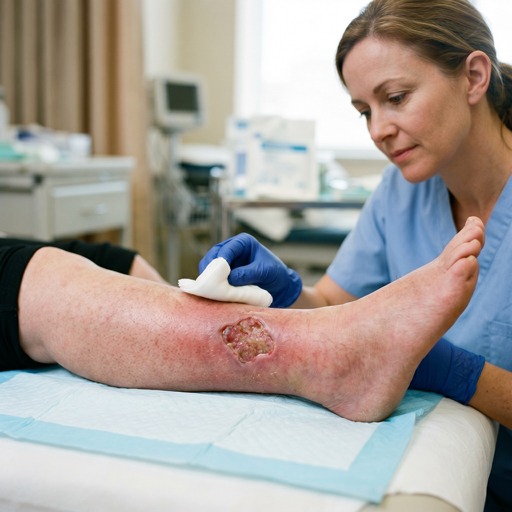
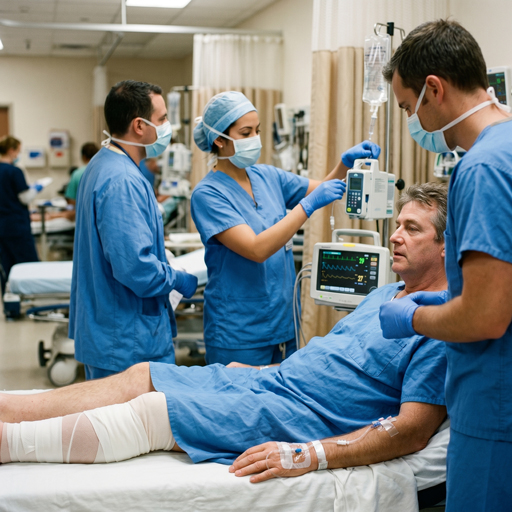
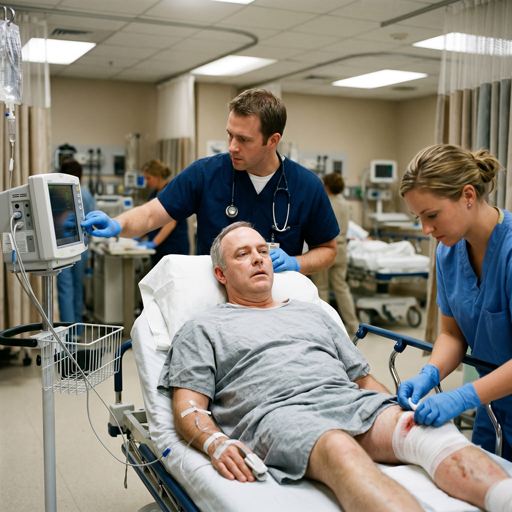
This is not a rare problem. Many Americans develop non-healing wounds every year. People living with diabetes or obesity are particularly vulnerable, and the wounds themselves vary widely, including foot and leg ulcers, pressure ulcers, and bedsores. What they share is a resistance to healing that puts patients at serious risk the longer the wound stays open.
At Andrea Hyperbaric Wound Care and Health Center in Ozone Park, NY, Hyperbaric Oxygen Therapy is one of the primary treatments we use for patients whose wounds are not responding to conventional care.
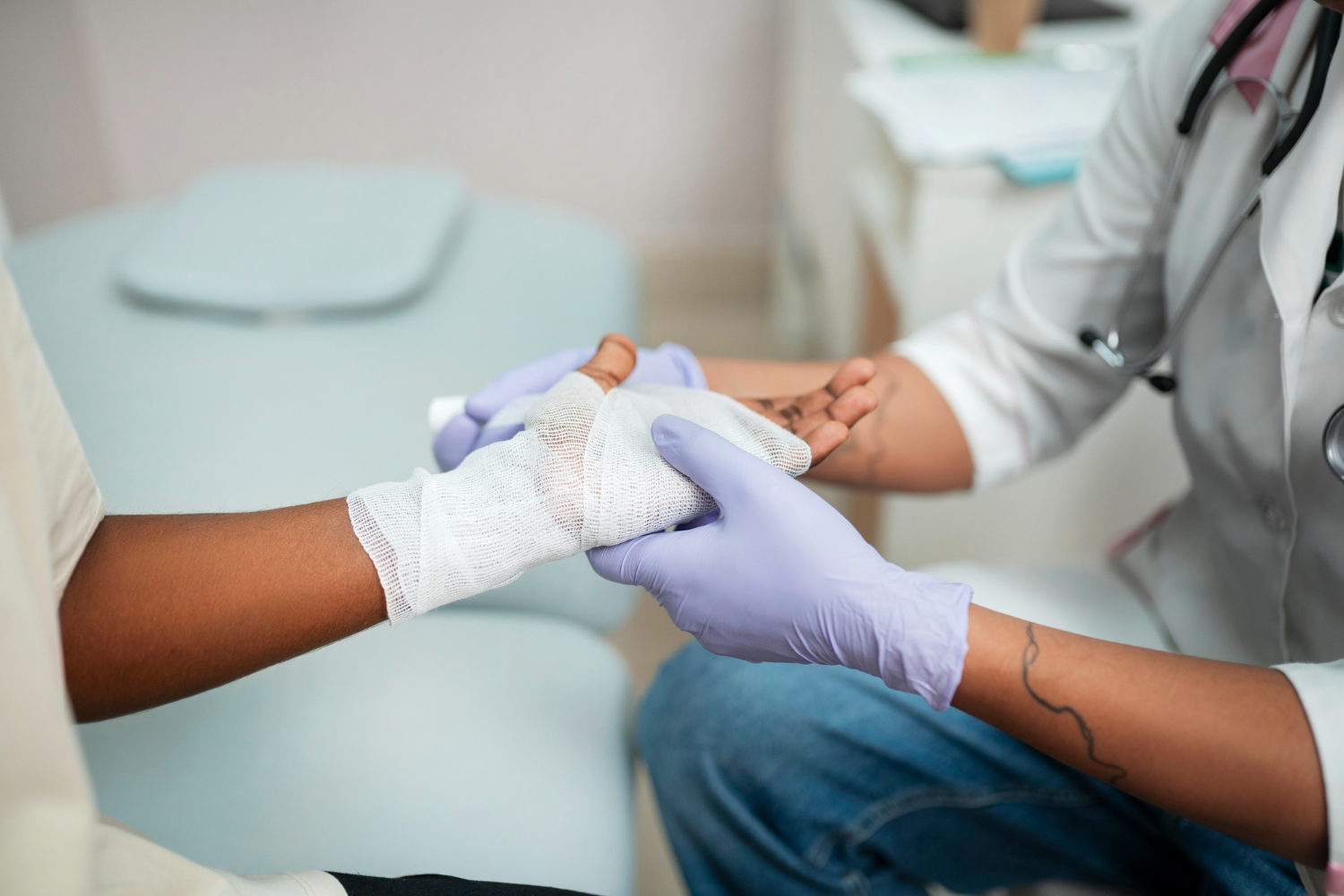
Why Some Wounds Fail to Heal Properly
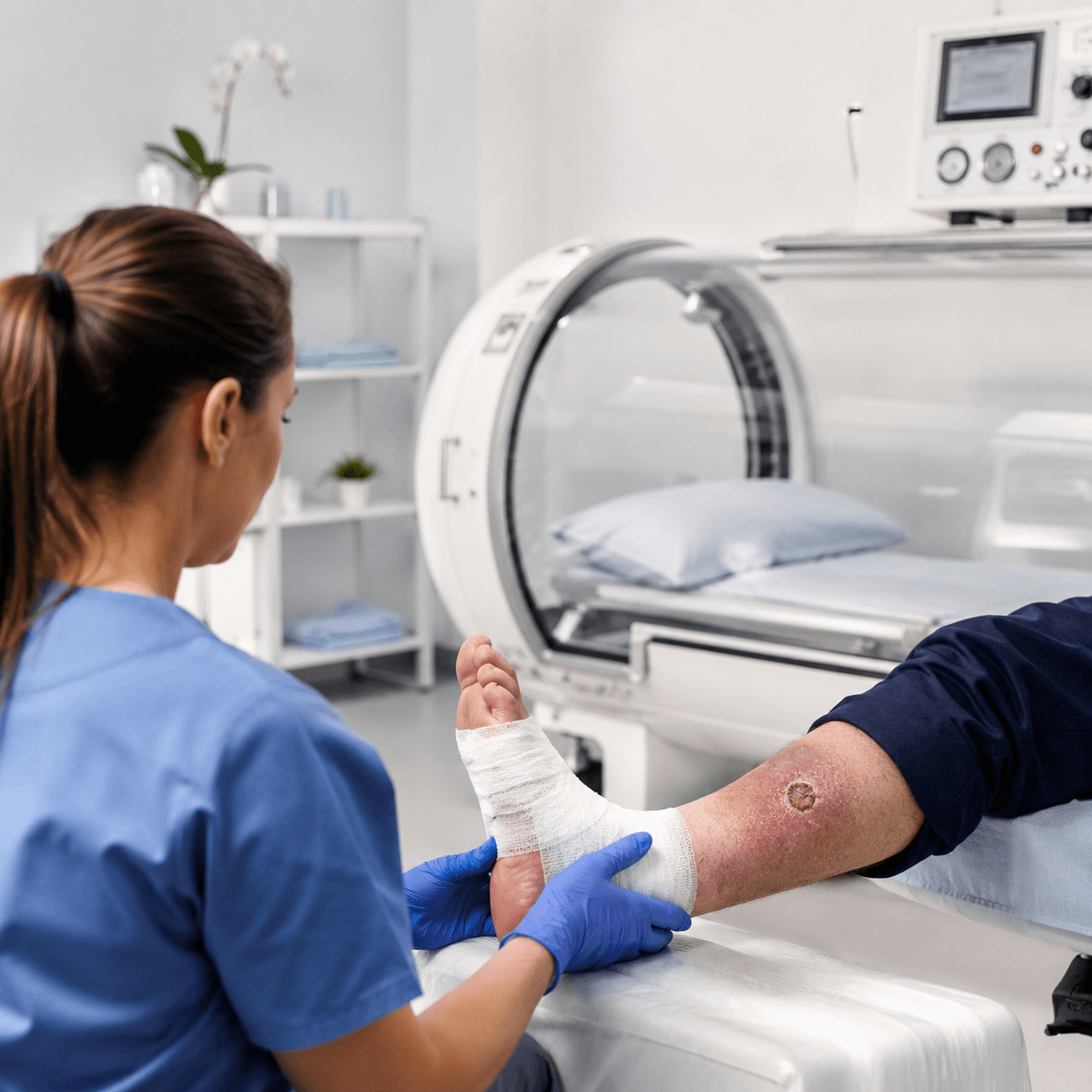
Healing is an oxygen-driven process. When blood flow to a wound site is restricted, the surrounding tissue does not receive enough oxygen to do the repair work. That is the core problem behind most chronic, non-healing wounds.
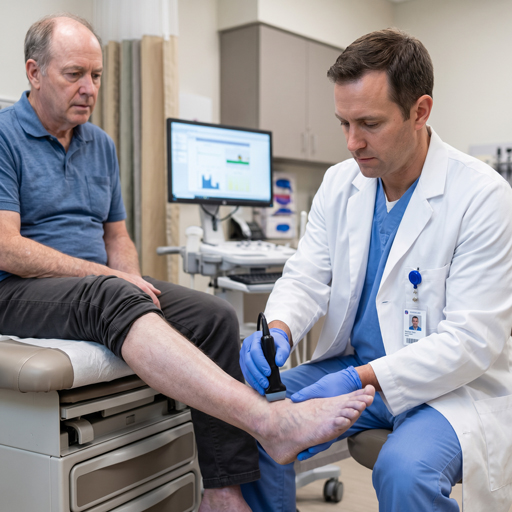
Diabetic patients face this challenge consistently. Reduced circulation in the lower legs and feet means wound sites are starved of what they need most.
Topical treatments and dressings manage the surface, but they cannot fix a circulation problem that is preventing oxygen from reaching the tissue.
Reasons wounds commonly fail to heal:
- Diabetes-related circulation problems in the legs and feet
- Weakened immune response that cannot fight off infection
- Bacterial infection in or around the wound
- Prolonged pressure damage in patients with limited mobility
- Insufficient oxygen delivery to the tissue that needs to regenerate
What Hyperbaric Oxygen Therapy Does
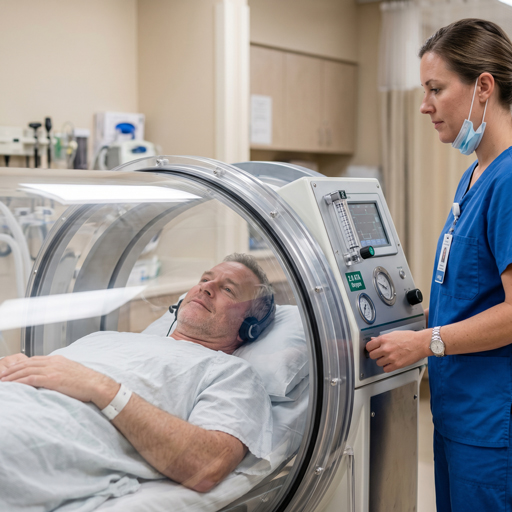
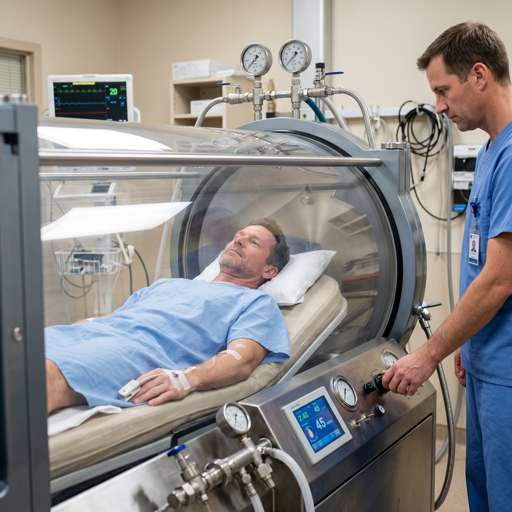
Inside a pressurized hyperbaric chamber, patients breathe 100% pure oxygen. The increased atmospheric pressure allows the bloodstream to absorb oxygen at levels not achievable through normal breathing.
That highly oxygenated blood then reaches areas of the body where circulation is compromised, including wound sites that have been failing to heal.
The result is a wound environment that finally has what it needs to begin healing.
What HBOT delivers for non-healing wounds:
- Meaningful reduction in amputation risk by keeping tissue viable
- Elimination of anaerobic bacteria that thrive where oxygen is low
- Measurable reduction in wound size as tissue repair accelerates
- Growth of new blood vessels in and around the damaged area
- Stronger local immune response at the wound site
- Better overall effectiveness from other wound care treatments being used alongside HBOT
Patients Who Benefit Most From This Treatment
HBOT for non-healing wounds works best for patients whose wounds have not improved despite consistent standard treatment.
Commonly treated cases include:
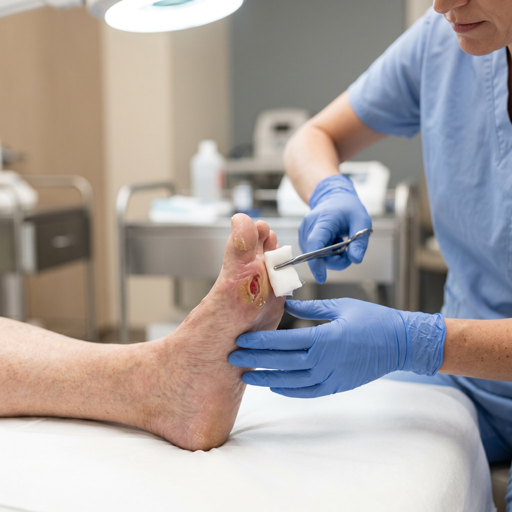
- Diabetic foot ulcers and lower leg wounds
- Pressure ulcers and bedsores in patients with reduced mobility
- Wounds complicated by active infection or tissue damage
- Patients facing potential amputation due to wound deterioration
- Individuals with vascular disease affecting wound recovery in the extremities
Hyperbaric Oxygen Therapy is covered by most health insurers, including Medicare, for approved conditions, making it accessible to the patients who need it most.
Do Not Wait on a Wound That Is Not Healing
Non-healing wounds rarely improve on their own over time. The longer a wound stays open, the higher the risk of serious infection, tissue loss, and complications that become increasingly difficult to manage.
Early intervention gives patients the best chance at avoiding those outcomes. Schedule your consultation with us today to get the necessary treatment. We accept most insurance providers and welcome both new and existing patients.