






Hammertoes
A hammertoe causes one or more toes to bend abnormally at the middle joint, often leading to pain, pressure, and difficulty wearing shoes. Without treatment, the toe may become stiff and develop corns or calluses.
At Andrea Hyperbaric Wound Care and Health Center, we evaluate the condition and create a personalized treatment plan to relieve discomfort, improve toe function, and help prevent further progression. Call us to schedule an appointment.
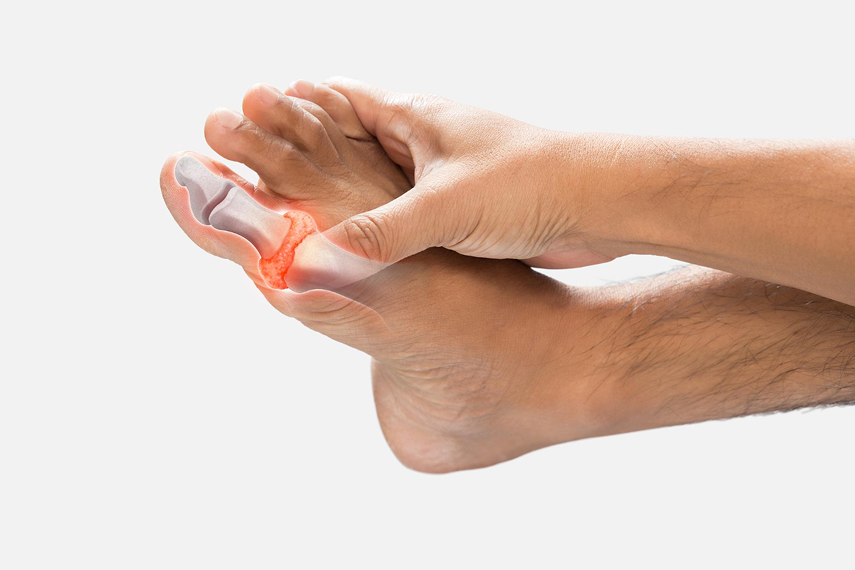
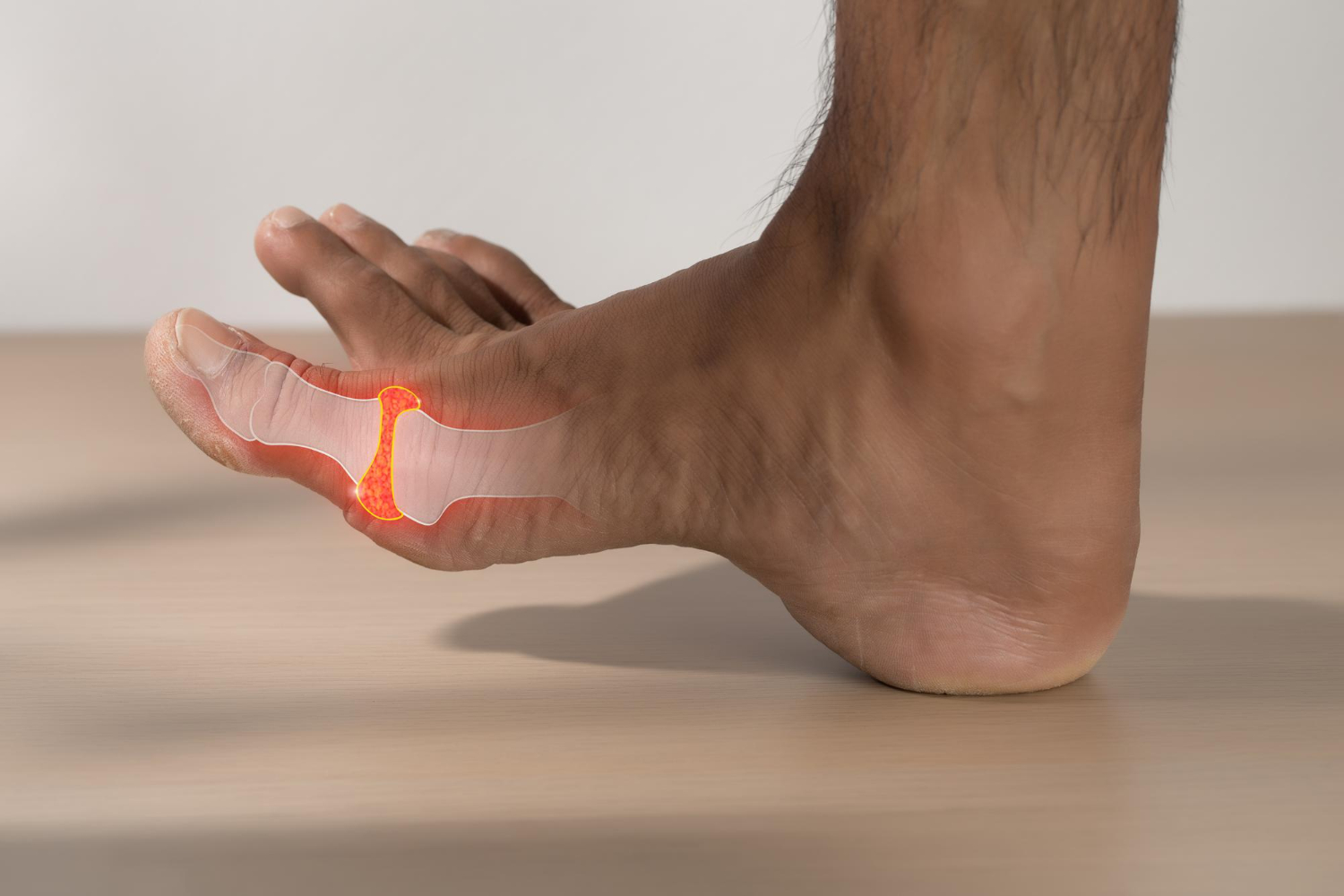
How Do Hammertoes Develop?
Your toes stay straight thanks to a balance between the muscles, tendons, and ligaments that support them. When that balance breaks down, the middle joint starts to bend, and over time, it can lock into that position. Early on, the toe usually still bends back into place. Without treatment, the toe may gradually become rigid.
A few things tend to push people toward hammertoes:
- Shoes that are tight, narrow, or built with high heels
- Old toe injuries, such as stubbed, jammed, or fractured
- Muscle or tendon imbalance affecting the foot
- Arthritis in the toe joints
- Foot complications tied to diabetes
- Normal aging and the way feet change shape over time
- A family history of foot deformities
- Years of pressure on the toes
Steps That Help Prevent Hammertoes
You can't prevent every case, but smart footwear and basic foot care go a long way.
Small habits that make a difference:
- Choose shoes with a wide toe box so your toes have room to move
- Skip the high heels, or at least don't live in them
- Swap out shoes once they've lost their support
- Stretch and strengthen your feet and toes now and then
- Keep your feet protected during sports or daily activity
- Watch for changes if you have diabetes or arthritis
- Ask your podiatrist about supportive or custom orthotics
- Get your feet checked regularly if you spot any shift in toe alignment
When to Seek Professional Treatment
Catching a hammertoe early makes a real difference. It often means avoiding the more involved treatments down the road. Come in for an evaluation if you're dealing with:
- A toe bending downward at the middle joint
- Pain when you walk or stand
- Shoes that no longer fit comfortably
- Corns or calluses on top of or at the tip of the toe
- Redness, swelling, or irritation near the joint
- Stiffness or a toe that won't move as it used to
- Symptoms that keep getting worse, no matter what shoes you try on
- More than one toe is beginning to develop the same deformity
Getting it checked early gives you the best chance of treatment before the joint becomes permanently rigid.
Get Professional Treatment for Hammertoes
Hammertoes don't tend to fix themselves, and they usually get worse without care. At Andrea Hyperbaric Wound Care and Health Center, we provide personalized treatment that may include custom orthotics, footwear recommendations, exercises, injections, or surgical referral when needed.
We're here to ease your discomfort, improve foot function, and help you move through your day with more confidence.