



Heel Spurs
Relieving Heel Pain to Help You Stay Active
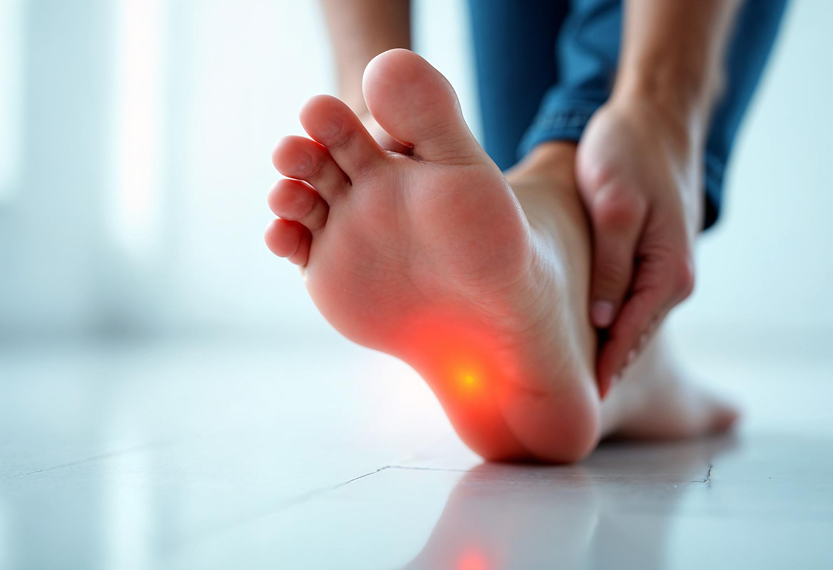
Heel spurs are bony projections that develop on the underside of the heel bone, often causing pain when standing, walking, or taking your first steps in the morning. Without treatment, the discomfort can worsen and affect your daily activities.
At Andrea Hyperbaric Wound Care and Health Center, we diagnose the cause of your heel pain and create a personalized treatment plan to relieve symptoms and improve mobility. Call (718) 482-0010 to schedule an appointment.

How Do Heel Spurs Develop?
Heel spurs form gradually, usually from repeated stress at the spot where the plantar fascia attaches to the heel bone. Calcium deposits gradually accumulate at the attachment point, eventually forming a small bony projection. Interestingly, the spur itself isn't always what hurts. More often, it's the inflammation in the surrounding tissue that causes the real trouble.
A handful of factors tend to raise your risk:
- Carrying extra body weight, which adds pressure to the heels
- Shoes that don't fit well or lack proper support
- Standing, running, or walking for long stretches
- Plantar fasciitis or ongoing strain on the foot
- Arthritis or other joint-related inflammation
- Past heel injuries or bruising
- Tight calf muscles or a tight Achilles tendon
- Changes in foot structure that shift how weight gets distributed
Simple Steps That Help Prevent Heel Spurs
You can't always stop a heel spur from forming, but the right habits go a long way toward easing the strain.
- Wear shoes with real arch support and cushioning
- Swap out footwear once it stops absorbing shock
- Stretch your calves and plantar fascia often
- Keep your weight in a healthy range
- Skip long walks barefoot on hard floors
- Try custom orthotics if your podiatrist suggests them
- Ease into new activities rather than increasing intensity too quickly
- Give your feet a break when they start to ache
When Should You Visit a Professional?
Heel pain that lingers isn't something to push through. Catching it early makes treatment easier and more effective.
Come in for an evaluation if you notice:
- Sharp or aching pain at the bottom of your heel
- Pain that hits hardest with your first steps each morning
- Swelling near the front or underside of the heel
- Warmth or inflammation around the area
- Pain that gets worse after standing or walking
- Trouble getting through daily activities because of your heel
- Painful symptoms that persist after rest or new shoes
- Recurrent heel pain affecting one or both heels
Get Professional Treatment for Heel Spurs
Left untreated, heel spurs tend to get more painful over time. At Andrea Hyperbaric Wound Care & Health Center, our individualized treatment involves orthotics, stretches, shoe fitting, injections, or other advanced treatment options, depending on the situation.
We aim to relieve your pain and help you return to your normal daily activities comfortably.