
Limb Salvage
Losing a limb affects every part of a person’s life, from how they move to how they see themselves. Amputation is not always inevitable, and limb salvage exists precisely for that reason.
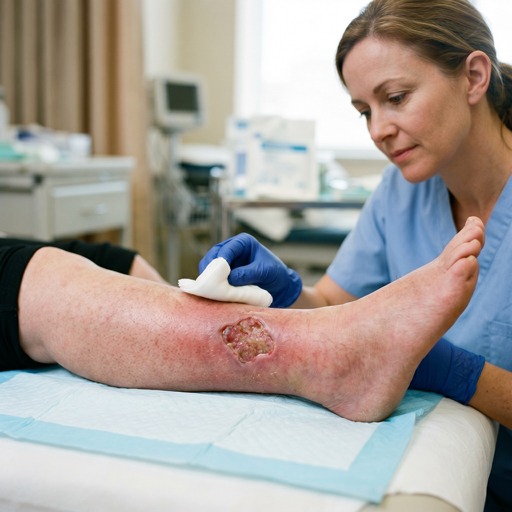
The procedure removes diseased tissue and works to restore stability and movement in the affected limb. Diabetes, peripheral vascular disease, neuropathy, cancer, and severe crush injuries are the most common conditions that put a limb at risk.
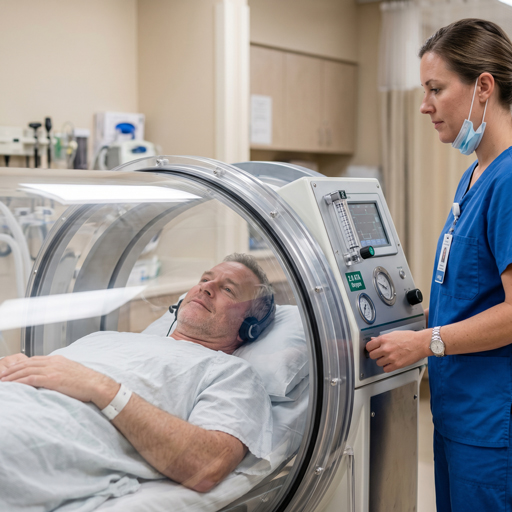
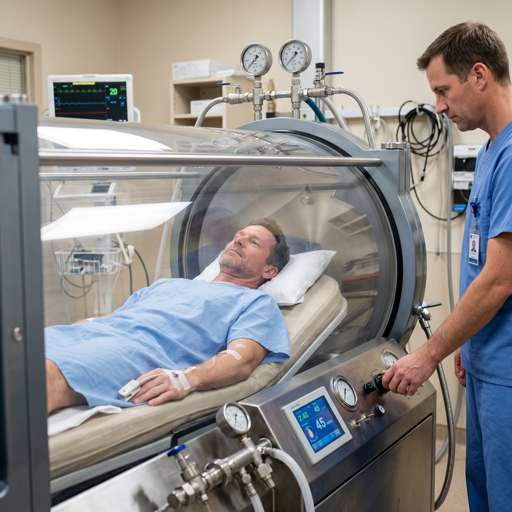
At Andrea Hyperbaric Wound Care and Health Center, we specialize in limb salvage for patients facing serious lower-extremity conditions. Our team works through every available treatment option before amputation is considered, giving each patient the best possible chance of keeping their limb intact.
What the Procedure Typically Involves
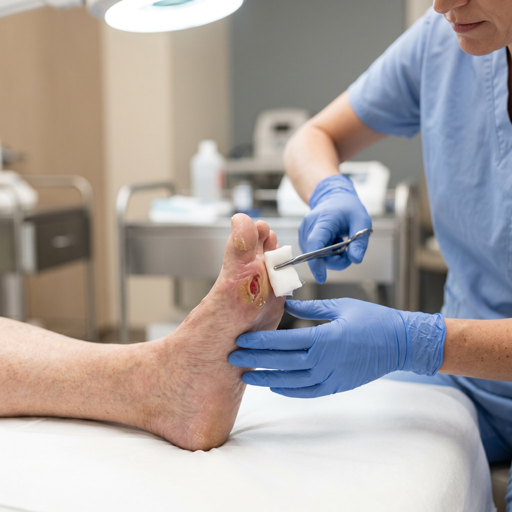
- Removal of diseased tissue along with a small margin of the surrounding healthy tissue
- Removal of the affected bone when the damage or infection has reached that level
- Replacement of removed bone using prostheses, synthetic metal rods or plates, or grafts sourced from the patient or a donor
- Pre-surgical preparation with a physical or occupational therapist covering muscle strengthening, walking exercises, and range of motion work
- Continued rehabilitation after the procedure to restore movement and function
Why Limb Salvage Is Considered
Preserving a limb offers benefits that extend beyond physical recovery. Successful limb salvage can help patients maintain greater mobility and independence while also supporting emotional well-being.
For many individuals, retaining a natural limb can have a meaningful psychological impact throughout the recovery process and beyond.
Signs You Should Seek Professional Help
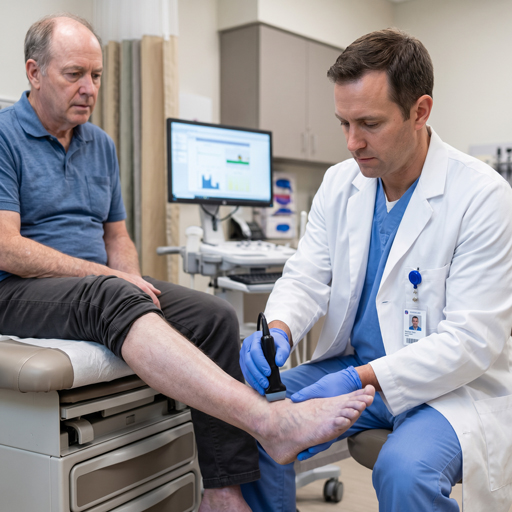
If any of the following sound familiar, see a podiatrist for evaluation:
- A wound or sore on the lower extremity that simply is not closing
- Persistent pain, swelling, or unusual discoloration in the foot or leg
- Redness, warmth, or discharge pointing to active infection
- Numbness or reduced sensation in the foot or lower leg
- A diagnosis of diabetes, peripheral vascular disease, or neuropathy, alongside a wound that has stopped responding to treatment
- A significant foot or lower leg injury that has not had a professional look at it yet
The earlier something gets properly assessed, the more options are still on the table.
Get the Care You Need
Limb salvage works best when it starts before the situation becomes critical. Our team at Andrea Hyperbaric Wound Care and Health Center evaluates patients carefully and works toward preserving function before amputation becomes the only remaining option. Call us today to schedule your consultation.