






Plantar Warts
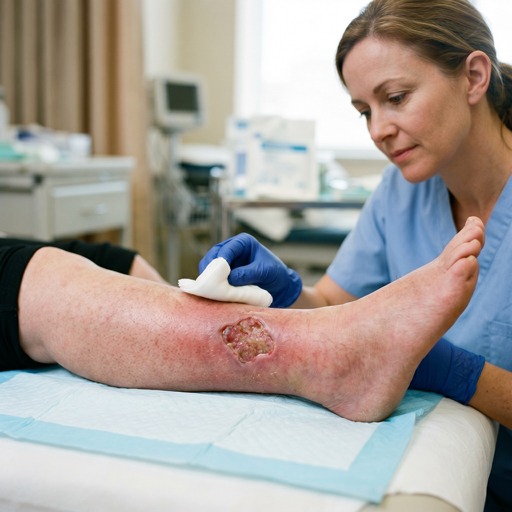
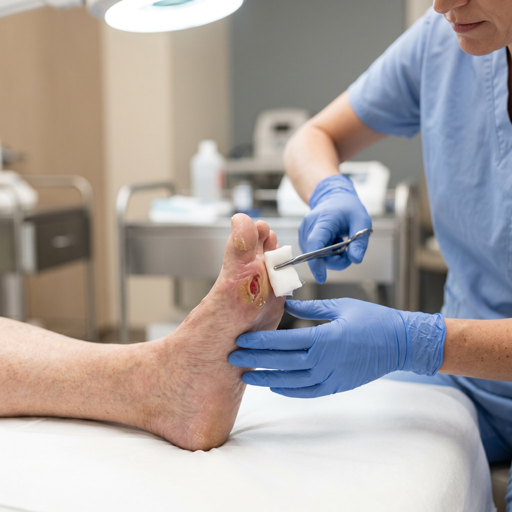
Plantar warts are small, rough growths that develop on the bottom of the foot, most often on the heel or other weight-bearing areas. They are caused by the human papillomavirus (HPV), which enters the skin through tiny cuts or cracks. Because they grow on areas that support your body weight, plantar warts can become painful when standing or walking.
At Andrea Hyperbaric Wound Care and Health Center, we diagnose and treat plantar warts with care tailored to your needs. Our goal is to relieve discomfort, remove the wart, and help reduce the risk of recurrence. Contact us today to schedule an appointment.
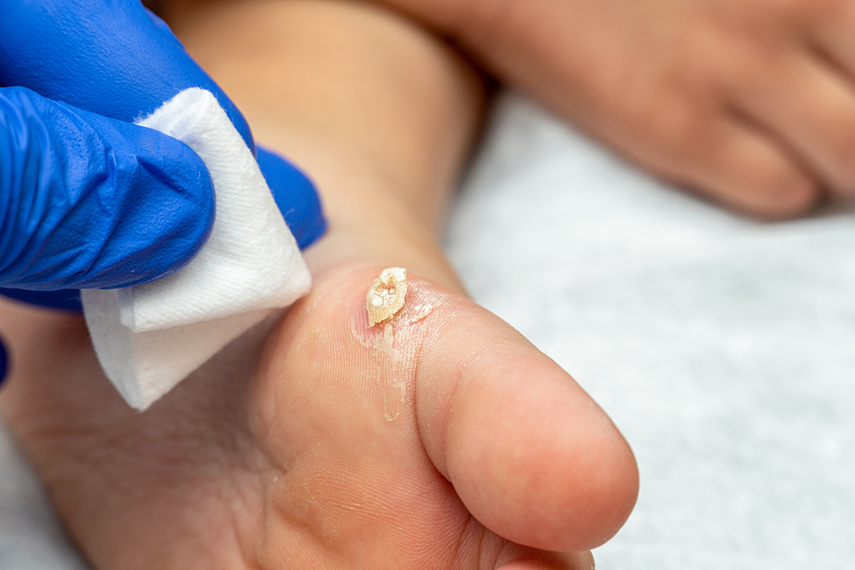

How Do Plantar Warts Develop?
Plantar warts develop when HPV enters the skin through a small cut or crack. The virus is commonly found in warm, damp places, such as public pools, locker rooms, and shared showers, where people often walk barefoot.
A few things raise your risk:
- Walking barefoot in pools, locker rooms, or shared showers
- Cuts, blisters, or cracks on your feet
- Direct skin contact or contact with contaminated surfaces carrying the virus
- A weaker immune system
- Feet that sweat more than usual
- Sharing shoes, socks, towels, or nail tools
- Being a child, teen, or young adult, since HPV tends to affect this group more
- Having had plantar warts before
How Can You Prevent Plantar Warts?
You can't guarantee you'll never get one, but a few habits make a real difference in keeping the odds low.
- Use sandals or water shoes in public shower stalls, changing rooms, and pools
- Wash your feet every day and dry them thoroughly
- Keep your feet clean and dry all day long
- Do not share your shoes, socks, towels, or nail care equipment
- Cover any open wound on your foot with a bandage
- Change your socks regularly if your feet perspire
- Avoid picking or scratching existing warts, as this can spread the virus to other areas
- Check your feet now and then for anything new or unusual
When to Seek Professional Treatment?
Some plantar warts clear up on their own eventually. Others grow, start to hurt, or spread to other parts of the foot. Catching it early tends to ease the discomfort sooner and keeps the virus from spreading further.
Come in for an evaluation if you notice:
- A painful bump on the bottom of your foot
- Pain while standing, walking, or being active
- A rough spot with tiny black dots in the middle
- Multiple warts developing on one or both feet
- A wart that keeps growing or spreading
- Redness, swelling, or bleeding around it
- No improvement after trying over-the-counter treatments
- Diabetes, poor circulation, or a weakened immune system paired with a suspicious growth
Getting it checked out confirms what you're actually dealing with and points you toward the right treatment.
Get Professional Treatment for Plantar Warts
Left alone, plantar warts can get more painful over time, especially on parts of the foot bearing your weight.
At Andrea Hyperbaric Wound Care and Health Center, we provide customized treatment for plantar warts to alleviate the pain and minimize the chances of recurrence. We will also discuss prevention strategies for future plantar warts.