
Wound Care
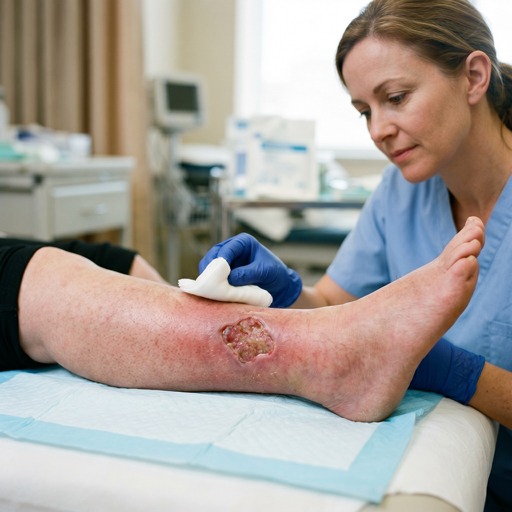
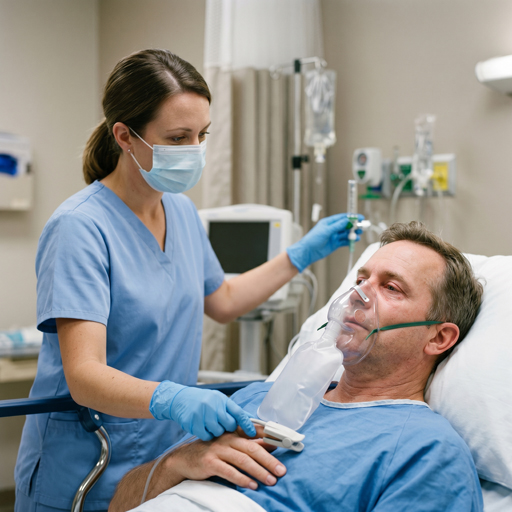
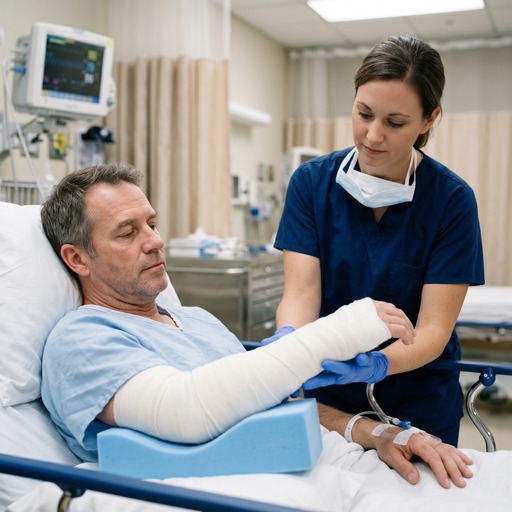
A wound that is not healing the way it should is always worth taking seriously. Poor circulation, an underlying condition, or an injury that did not get proper attention early on can all slow the healing process and lead to serious problems in the future.
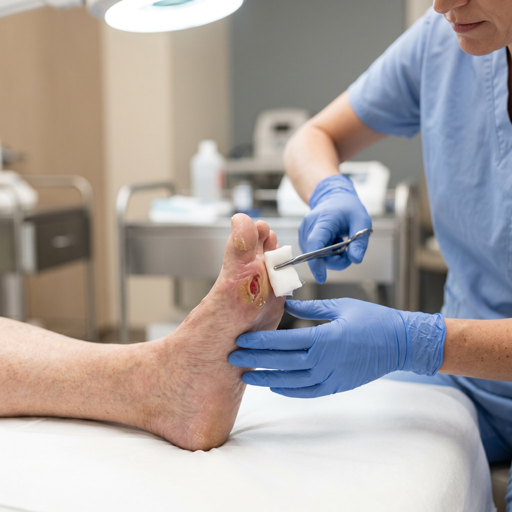
Diabetic patients are at a high level of risk. Nerve damage in the feet can reduce sensation to the point that a wound forms, worsens, and spreads without the person ever feeling discomfort. Something as simple as a blister from a tight shoe can quietly become a serious ulcer before anyone catches it.
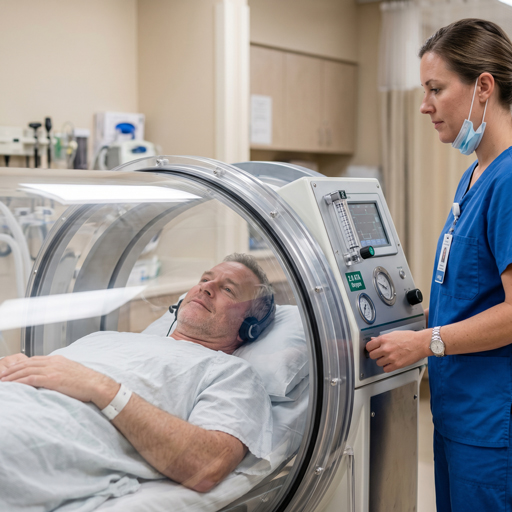
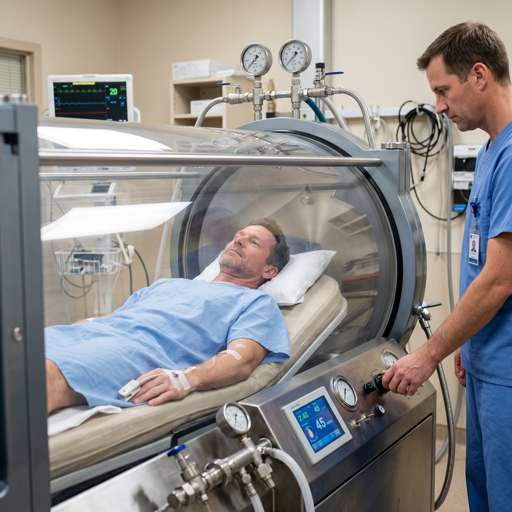
At Andrea Hyperbaric Wound Care and Health Center, we offer treatment to patients dealing with slow-healing wounds. Call us now to schedule your consultation.
Common Causes of Slow-Healing Wounds
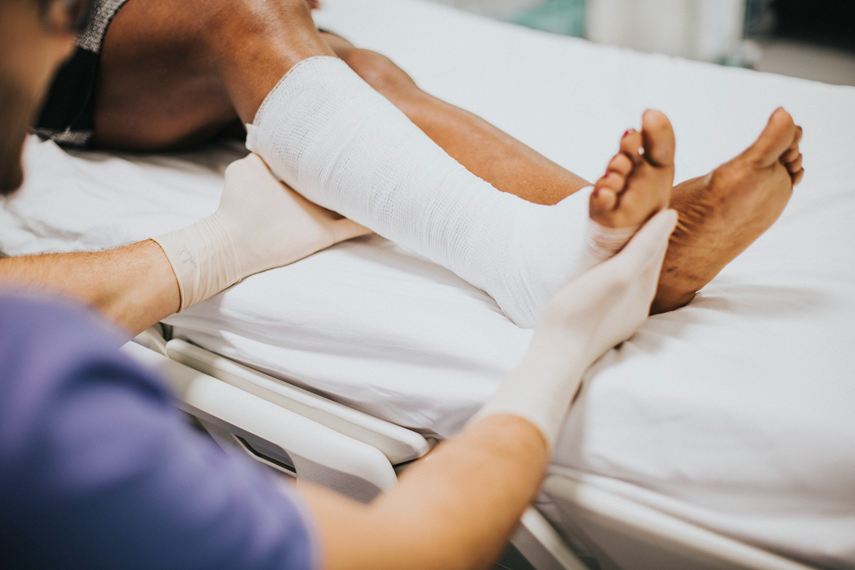
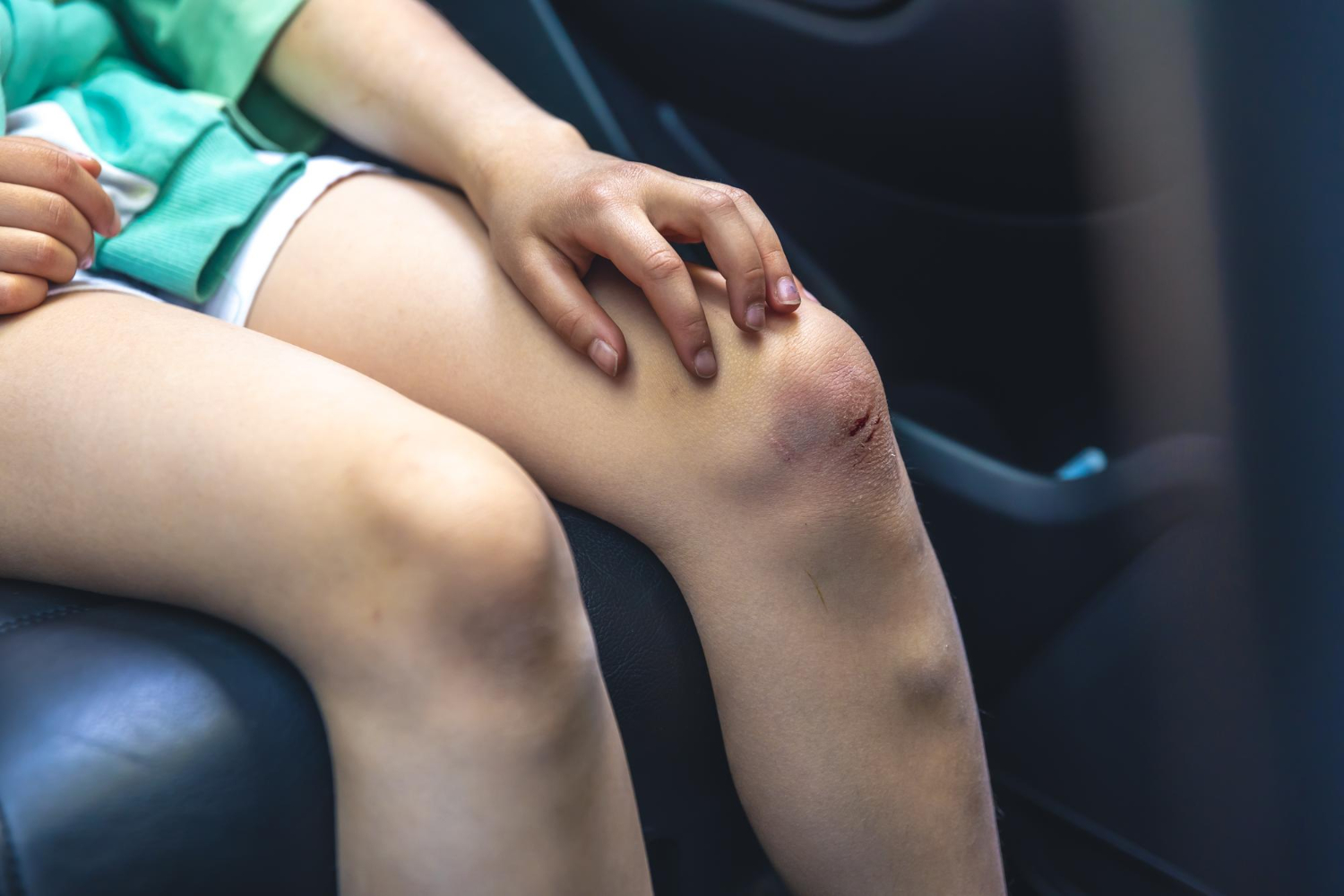
Damaged tissue and reduced blood flow go hand in hand with these infections. As circulation drops in the affected area, less oxygen reaches the tissues, and without adequate oxygen, the body simply cannot do the repair work it needs to do.
- Reduced nerve sensitivity that prevents wounds from being noticed early
- Poor blood circulation limits the body's ability to repair damaged tissue
- Tight or ill-fitting footwear that creates persistent pressure points and friction
- Underlying health conditions such as diabetes that interfere with normal wound recovery
- Improper toenail trimming that leads to skin breaks and infection
- Poor foot hygiene that allows bacteria into minor cuts or cracks
- Diabetic foot complications including nerve damage and reduced sensation that make wounds harder to detect and treat
Simple Steps That Help Prevent Wounds
Small, consistent habits go a long way toward keeping your feet healthy:
- Check both feet daily for cuts, blisters, redness, or any skin changes
- Wear comfortable, well-fitting shoes that offer proper support
- Avoid high heels and tight footwear that creates unnecessary pressure
- Trim toenails straight across rather than at an angle
- Never dig into the skin around the nail edges
- Wash and dry your feet thoroughly every single day
Signs You Should Seek Professional Help
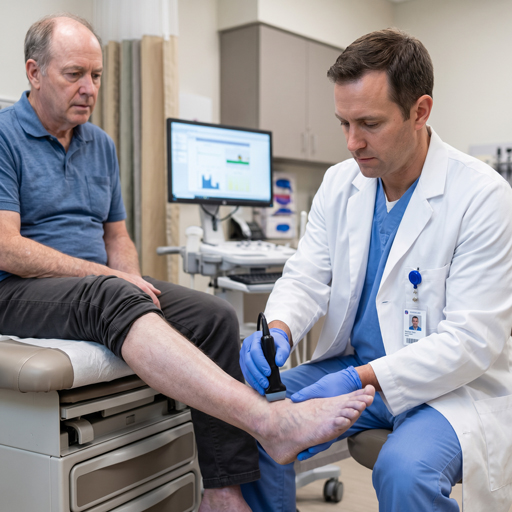
Do not wait to see if something improves on its own. If you notice any of the following, contact a podiatrist right away:
- An open wound, sore, or cut that is not healing as expected
- Redness, swelling, or unusual warmth around a wound site
- Discharge or odor coming from a wound
- Skin discoloration or darkening in the affected area
- A wound you can see but cannot feel
- Any change in the foot appearance that was not there before
- Numbness, tingling, or burning alongside a visible wound
Catching these signs early makes treatment significantly more straightforward. Waiting rarely makes things easier.
Get the Care Your Feet Need
Wound care works best when it starts early. At Andrea Hyperbaric Wound Care and Health Center, our team provides professional wound evaluation and treatment for patients. If something looks wrong, that is reason enough to come in.